Battery Placement matters
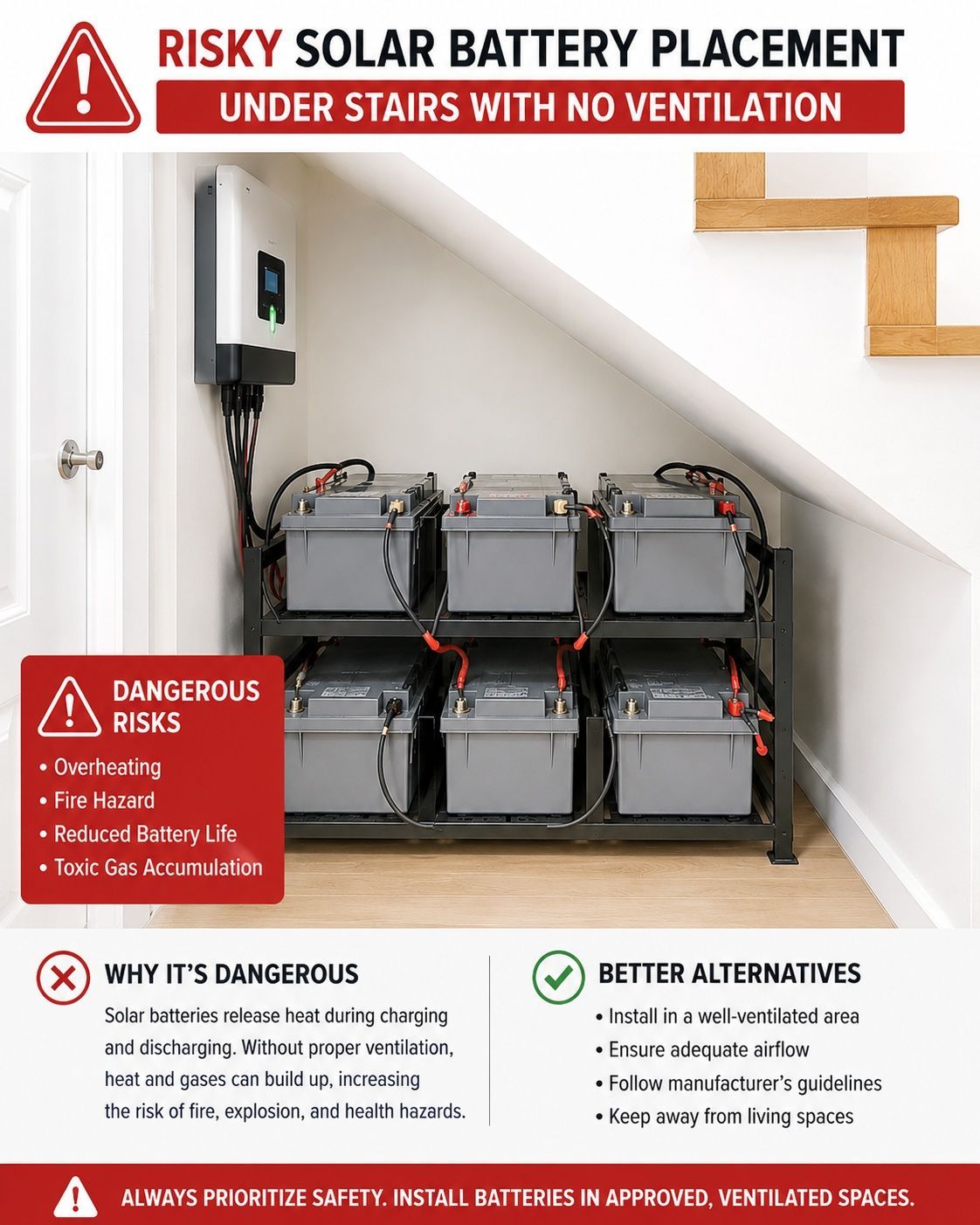
RISKY SOLAR BATTERY PLACEMENT
Where You Should Never Install Solar System Batteries
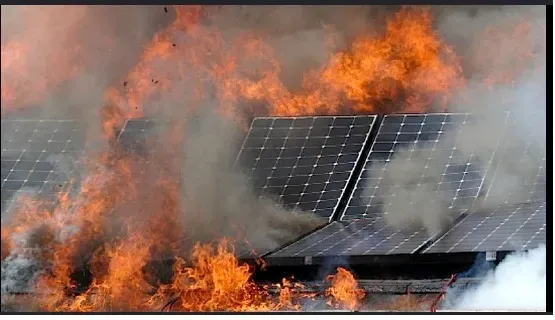
Solar system batteries are one of the most important parts of your energy setup, but where you place them matters just as much as the battery brand you buy. A poorly placed battery can create serious safety hazards for your home and family, especially if it overheats, catches fire, releases toxic smoke, or becomes difficult to access during an emergency.
Many homeowners focus heavily on solar panels and inverters but overlook battery placement during installation. Unfortunately, that mistake can become dangerous over time. Solar batteries should never be installed in habitable living spaces, bedrooms, kitchens, hallways, escape routes, or other enclosed areas without proper ventilation. Roof spaces and lofts should also be avoided because of heat buildup, fire risks, and structural weight concerns. Making the right placement decision from the beginning can protect your investment and help prevent costly disasters later.
Image Suggestion
- Description: Homeowner standing beside a safely installed solar battery system in a ventilated utility room
- ALT Text: Properly installed solar battery system in a ventilated room for home safety
- Filename: safe-solar-battery-installation-room.jpg
Living Spaces to Absolutely Avoid
Habitable Rooms
Solar batteries should never be installed inside bedrooms, kitchens, living rooms, dining areas, or home offices. While it may seem convenient to place the battery close to your inverter or electrical system, these are the spaces where your family spends the most time. If a battery malfunctions, overheats, or enters thermal runaway, toxic smoke and dangerous gases can spread quickly throughout the home.
Imagine waking up in the middle of the night to thick smoke coming from a battery installed near your bedroom wall. In an emergency, seconds matter. Keeping batteries away from everyday living spaces gives your family more protection and reduces the chances of direct exposure to smoke, heat, or fire.
Escape Routes
Another major mistake homeowners make is placing solar batteries near stairways, hallways, exits, or doorways. These areas serve as emergency escape routes during a fire or electrical emergency. A damaged battery system, exposed wiring, or smoke-filled corridor could block your only safe exit path.
Even in non-emergency situations, batteries installed in walkways can create trip hazards and limit safe movement around the home. Your evacuation routes should always remain clear, open, and accessible.
Under Stairways
Installing solar batteries under staircases has become increasingly common in homes with limited space, but it is one of the riskiest locations possible. In many jurisdictions, placing energy storage systems beneath enclosed stairways is either heavily restricted or completely prohibited due to fire safety concerns.
The enclosed area under stairs often lacks proper ventilation, which allows heat to build up over time. If a battery fire starts in this confined space, smoke and flames can spread rapidly through the staircase, cutting off escape access for everyone inside the house.
Image Suggestion
- Description: Solar batteries dangerously installed under a staircase with warning graphics
- ALT Text: Unsafe solar battery placement under stairs without ventilation
- Filename: solar-battery-under-stairs-danger.jpg
Confined & Hazardous Spaces
Roof Spaces & Lofts
Roof spaces and lofts may appear unused and convenient, but they are among the worst places to install solar batteries. Modern fire safety guidelines, including PAS 63100 recommendations, strongly discourage battery installation in lofts because these areas become extremely hot and difficult to access during emergencies.
Solar batteries are heavy. In the event of a fire, firefighters may struggle to safely reach the battery system, especially if the roof structure becomes unstable. Excessive attic temperatures can also reduce battery lifespan, lower performance, and increase the risk of overheating.
Small Cupboards & Closets
Solar batteries generate heat during charging and discharging. Without proper airflow, that heat becomes trapped inside enclosed cupboards or closets. Over time, poor ventilation can lead to overheating, reduced efficiency, shortened battery life, and dangerous gas accumulation.
Some homeowners attempt to “hide” batteries inside small cabinets for aesthetic reasons, but safety should always come before appearance. A well-ventilated installation area is far safer than a concealed one.
Wall Cavities & Under Floors
Never hide batteries inside wall cavities, ceilings, or beneath floorboards. While these hidden installations may look neat and save space, they create major risks during maintenance and emergencies. If firefighters or technicians cannot quickly locate and access the battery, valuable response time may be lost during a fire or electrical fault.
Easy access matters. A visible and accessible battery installation makes inspections, repairs, and emergency shutdowns much safer and faster.
Image Suggestion
- Description: Overheated battery storage room with poor airflow and high temperature warning
- ALT Text: Poorly ventilated solar battery room causing overheating risks
- Filename: overheated-solar-battery-room.jpg
Unsafe Environmental Conditions
Areas Prone to Flooding
Water and electricity are a dangerous combination. Solar batteries should never be installed in flood-prone basements, low-lying storage rooms, or damp environments where water intrusion is possible.
Flooding can cause electrical shorts, severe equipment damage, and potentially fatal electrical faults. Even minor water exposure may permanently damage sensitive battery components and reduce system reliability.
Direct Sunlight & High Heat
Heat is one of the biggest enemies of battery performance and longevity. Avoid placing solar batteries near furnaces, water heaters, generators, cooking equipment, or walls exposed to intense direct sunlight.
When batteries operate in high temperatures for extended periods, they degrade much faster. Excessive heat can reduce storage capacity, shorten lifespan, and increase the chances of system failure. A cooler, shaded, and ventilated location will help your battery system operate more safely and efficiently for years to come.
Image Suggestion
- Description: Solar battery exposed to direct sunlight and excessive heat beside household equipment
- ALT Text: Solar battery installed in unsafe high heat environment
- Filename: solar-battery-direct-sunlight-risk.jpg
Safer Alternative Locations
Choosing the right location for your solar battery system can dramatically improve both safety and long-term performance. A properly planned installation also makes future maintenance much easier.
One of the safest and most common options is an attached or detached garage, provided the area is properly ventilated and separated from living spaces. Many homeowners also choose outdoor installations using weatherproof battery enclosures specifically designed for solar energy storage systems.
Dedicated utility rooms are another excellent option when they have adequate ventilation, temperature control, and safe clearance from occupied areas of the home. These rooms allow easier inspections, safer operation, and faster emergency access if problems occur.
Before finalizing your installation, always review official fire safety recommendations such as the EcoFlow Fire Safety Guidelines or the Solar Permit Solutions Guide. Your installer should also ensure the system complies with NFPA 855 requirements and all local building and electrical codes. Taking these extra precautions today can help prevent dangerous situations tomorrow.
Image Suggestion
- Description: Modern solar battery installation inside a clean, ventilated garage utility area
- ALT Text: Safe solar battery placement inside ventilated garage utility room
- Filename: safe-garage-solar-battery-installation.jpg
Final Safety Reminder
Your solar battery system is meant to provide reliable backup power, lower electricity costs, and peace of mind, not create hidden dangers inside your home. The safest installations are always planned with ventilation, emergency access, temperature control, and fire safety in mind.
If you are installing a new solar system or upgrading an existing one, do not rush the battery placement decision. Ask questions, follow fire safety guidelines, and work only with qualified installers who understand proper energy storage safety standards. A safe installation today could protect your home, your investment, and your family for many years to come.
Image Suggestion
- Description: Happy homeowner inspecting a professionally installed solar battery system
- ALT Text: Homeowner checking professionally installed solar battery setup
- Filename: professional-solar-battery-safety-installation.jpg
Stronger CTA Suggestion
Before you approve any solar installation, ask one critical question: “Where exactly will the batteries be installed?” A beautiful solar setup means nothing if poor battery placement puts your family at risk. Learn the warning signs, verify safety standards, and make informed decisions that protect both your home and your investment.