Solar Electricity Homeowners Tools Kit step by step
Solar Electricity Homeowner Protection Toolkit
Solar Electricity Homeowner Protection Toolkit
Protecting your home and your finances when switching to solar electricity requires more than comparing prices and signing contracts. Solar can provide long-term energy savings and greater independence from utility rate increases, but it can also expose homeowners to costly mistakes, hidden fees, equipment failures, and unexpected maintenance expenses if proper due diligence is not performed.
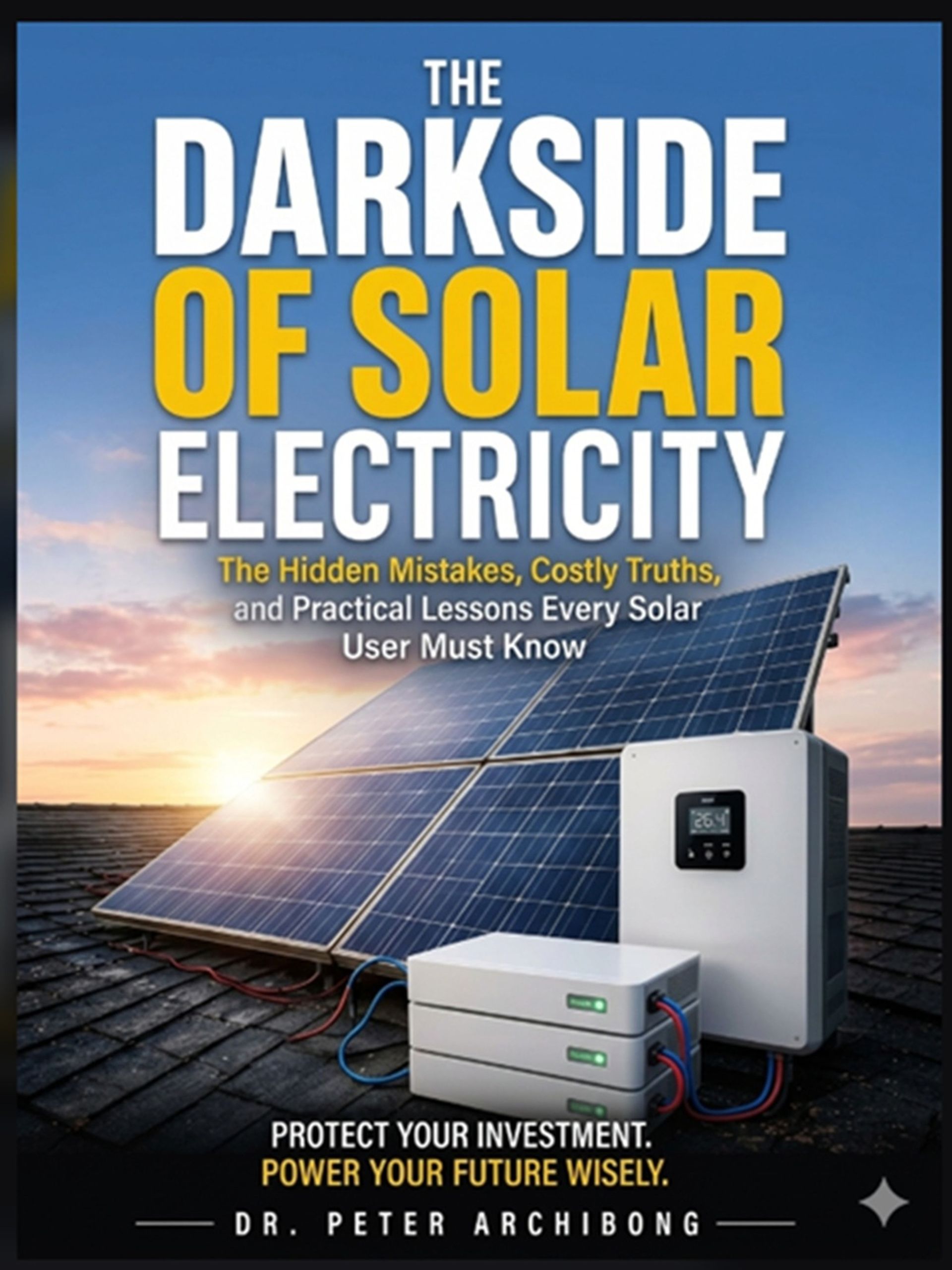
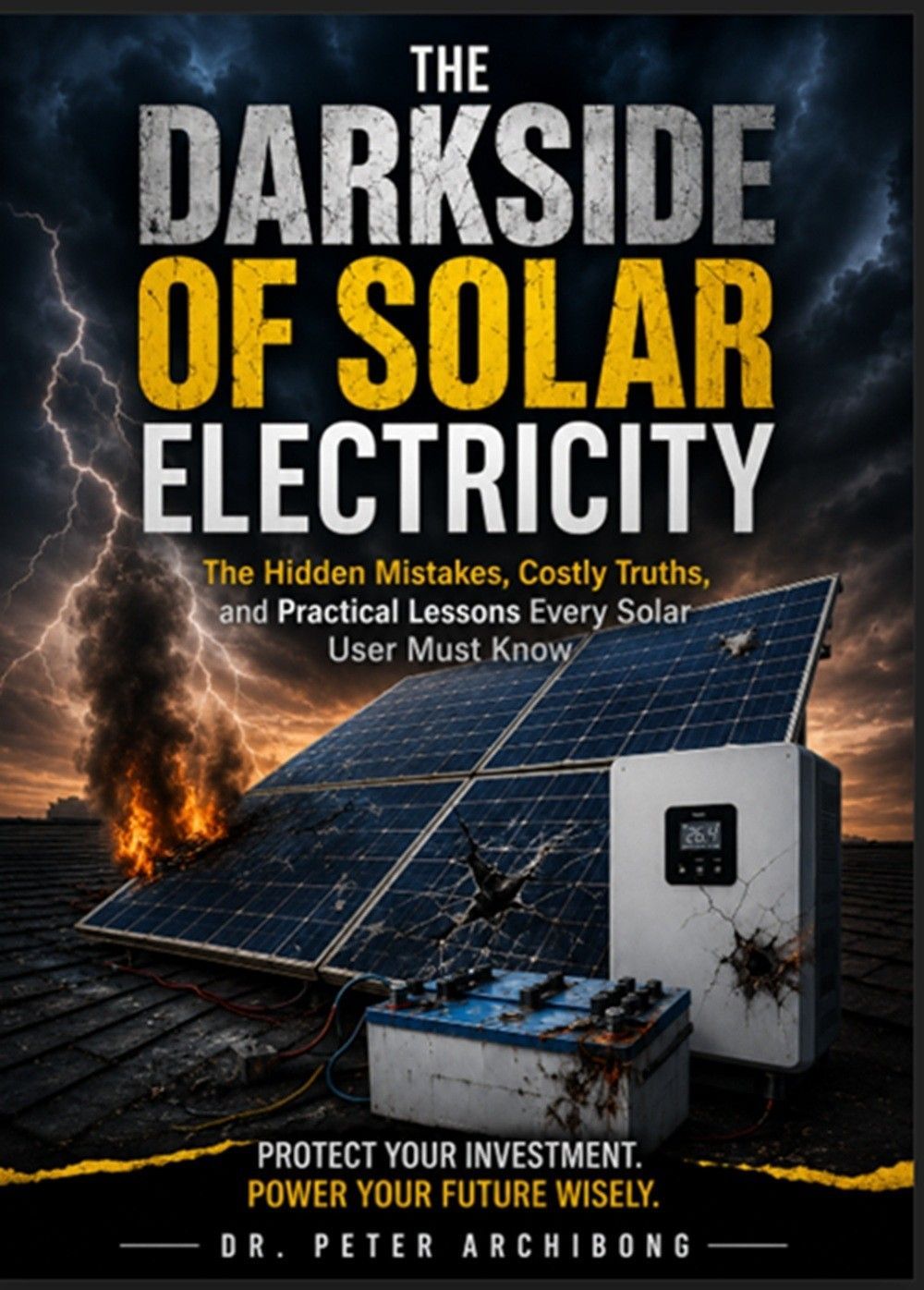
This comprehensive, step-by-step Solar Electricity Homeowner Toolkit is designed to help you make informed decisions before investing in a solar system. It directly addresses the financial traps, hardware concerns, contractual risks, and long-term responsibilities highlighted in Dr. Peter Archibong's book, The Dark Side of Solar Electricity: The Hidden Mistakes, Costly Truths, and Practical Lessons Every Solar User Must Know.
By following this framework, you can significantly reduce your risk of becoming a victim of misleading sales tactics, poor-quality installations, and expensive surprises that may surface years after your system is installed.
🛠️ Step 1:
Deconstruct the Financial Offerings
One of the biggest mistakes homeowners make is focusing only on the promised monthly savings while overlooking the true cost of financing. Many solar sales presentations are carefully designed to emphasize low monthly payments rather than the total amount paid over the life of the loan. Understanding the financial structure of your solar investment is critical before signing any agreement.
Demand a Cash Baseline:
Always request the full cash purchase price of the system before discussing financing options. This allows you to compare the real value of the system and evaluate whether financing significantly increases your costs.
Uncover Hidden Dealer Fees:
Be cautious of financing offers advertising "0% APR" or unusually low interest rates. These loans often include hidden dealer fees ranging from 15% to 30%, which are added to the system cost upfront.
Calculate Long-Term Interest:
Review the total amount you will pay over the life of the loan, especially for agreements extending 20 to 25 years. A system that appears affordable monthly may ultimately cost tens of thousands more than expected.
Reject UCC-1 Liens:
Verify that the installer will not place unnecessary liens against your property. Such filings can complicate refinancing, home equity borrowing, or future home sales.
- Your Example: If you have been offered financing at approximately 36% APR with monthly payments around 174,000, carefully calculate the total repayment amount over the full loan period. High-interest financing can dramatically reduce or eliminate the financial benefits of solar ownership.
🛠️ Step 2:
Conduct a Structural & Hardware Audit
Even the most advanced solar equipment can become a liability if it is installed on an aging roof or paired with low-quality components. Before investing in solar, homeowners should carefully evaluate both the condition of their property and the quality of the proposed equipment.
Sync the Lifespans:
Your roof should ideally have at least 20 to 25 years of remaining useful life before installing solar panels. Since your roof is currently about 15 years old, a professional roof inspection is highly recommended. If replacement is needed within the next several years, it may be more cost-effective to replace the roof before installing solar.
Vet Component Quality:
Choose Tier 1 solar panels from reputable manufacturers and highly rated microinverters or string inverters. Better equipment often results in improved performance, stronger warranties, and lower long-term maintenance costs.
Verify Rapid Shutdown Compliance:
Ensure the proposed system includes rapid shutdown capabilities that meet current safety requirements. This feature can protect emergency responders and improve overall system safety.
Review Structural Load Bounds:
Request a certified structural assessment to confirm your roof can safely support the added weight of the solar array and mounting equipment.
- Remember that saving a few dollars on cheaper equipment today may result in thousands of dollars in repair or replacement costs later.
🛠️ Step 3:
Enforce Operational Contract Safeguards
Many homeowners assume that verbal promises made during sales presentations will automatically become part of the final agreement. Unfortunately, once contracts are signed, only the written terms typically matter. Every important promise should be documented and verified before proceeding.
Audit Production Guarantees:
Insist on written production guarantees that clearly define expected energy output and provide compensation if the system underperforms.
Define Workmanship Scope:
Obtain a workmanship warranty of at least 10 years that specifically covers roof leaks, mounting failures, wiring defects, and installation-related issues.
Detail True Work Bounds:
Identify the company that will actually perform the installation. Some firms outsource work to subcontractors who may not maintain the same quality standards, insurance coverage, or certifications.
Review Warranty Transferability:
If you plan to sell your home in the future, determine whether equipment warranties and production guarantees can transfer to the next homeowner.
Strong contracts provide protection long after the installation crew has left your property.
Image Suggestion
- Description: Homeowner reviewing solar installation contract with attorney or consultant
- ALT Text: Reviewing solar installation agreement and warranty terms
- Filename: solar-contract-review.jpg
🛠️ Step 4:
Map Out Maintenance & Future Disposal
Solar ownership does not end when the system is activated. Responsible homeowners should understand the ongoing maintenance requirements and eventual disposal obligations associated with solar equipment.
Establish Monitored Alerts:
Install monitoring software that provides real-time performance tracking and automatic alerts when panels, inverters, or batteries are underperforming.
Schedule Physical Cleaning:
Dirt, pollen, leaves, bird droppings, and debris can reduce system efficiency. A regular cleaning schedule, typically twice per year, can help maintain optimal energy production.
Clarify Future Decommissioning:
Solar panels, batteries, and electronic components eventually reach the end of their useful lives. Understand future recycling requirements, disposal regulations, and associated costs before installation.
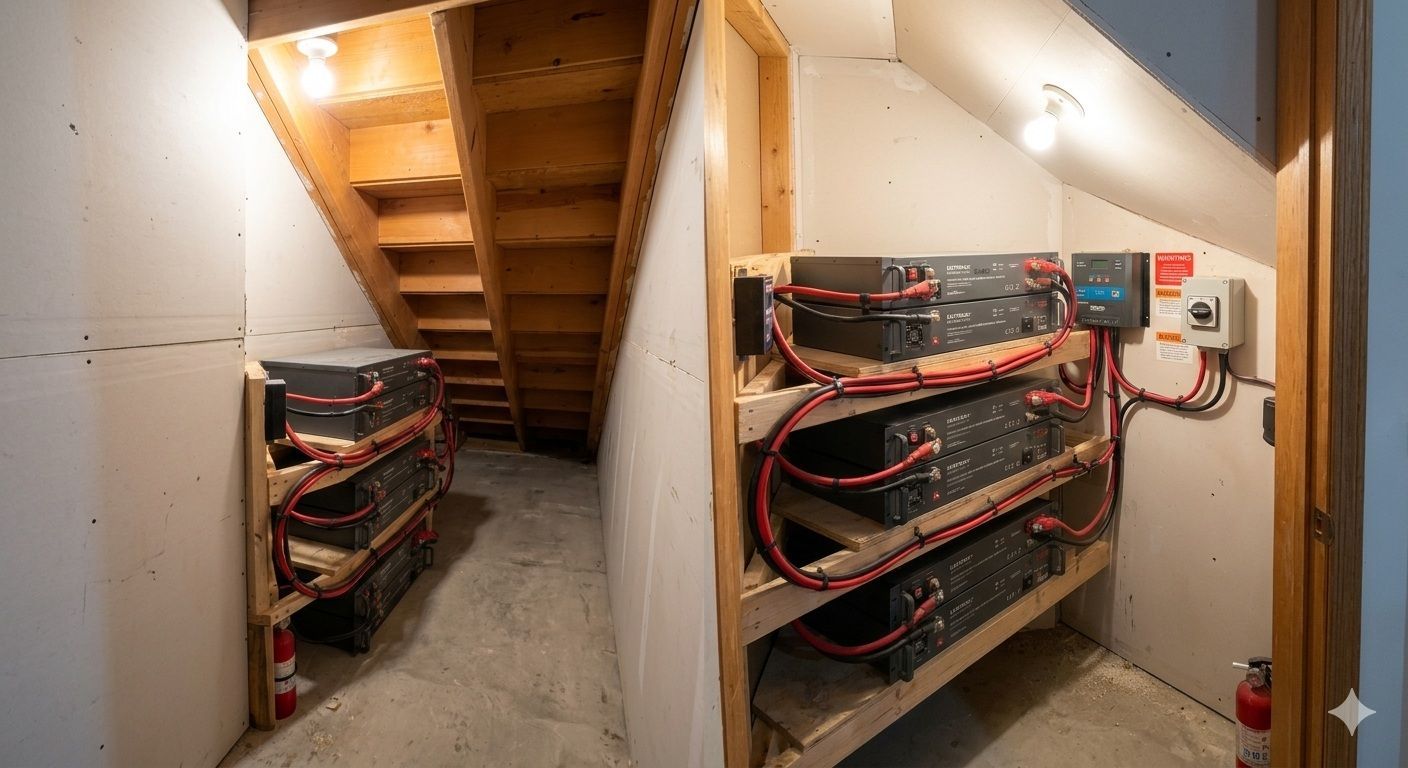
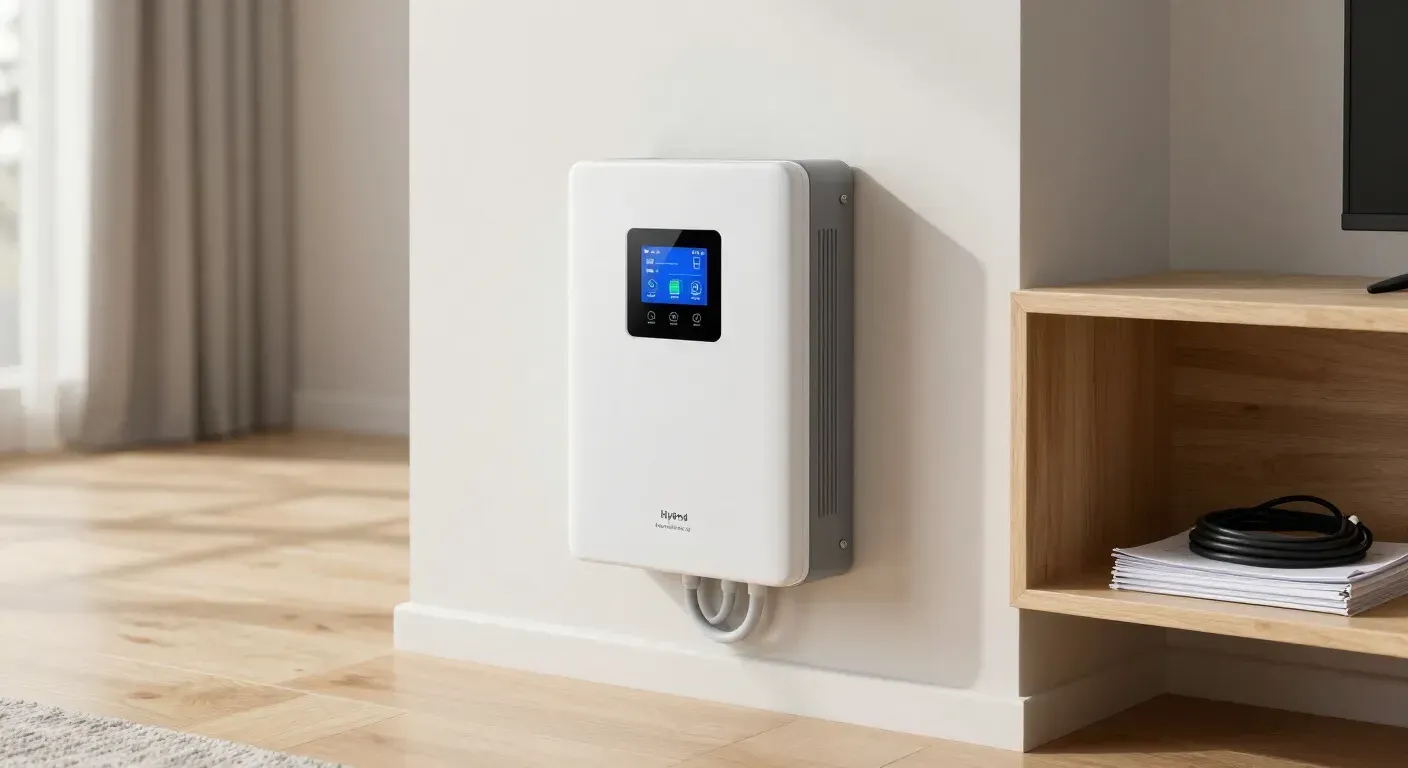
Battery Considerations: Since you are evaluating both battery backup and grid-tied options, carefully compare the additional costs, maintenance requirements, and replacement timelines associated with battery systems. While batteries provide energy resilience during outages, they can significantly increase the overall investment.
The most successful solar owners plan for the entire system lifecycle rather than focusing only on installation day.
Why This Protection Framework Matters
A solar system can be one of the largest home improvement investments many families will ever make. While solar technology continues to improve, poor financial decisions, inadequate planning, and weak contracts can quickly turn a promising investment into a costly burden.
- By carefully reviewing financing, inspecting your roof, demanding quality equipment, and enforcing strong contractual protections, you can significantly improve the likelihood that your solar investment delivers the savings and reliability you expect.
Service Area
Whether you are located in an urban neighborhood, suburban community, or rural area, the principles outlined in this toolkit apply to virtually every residential solar installation project. The risks associated with financing, roof conditions, equipment quality, and contractor performance are universal concerns that every homeowner should evaluate.
Local building codes, utility regulations, and incentive programs may vary by location, but the need for informed decision-making remains the same. Taking time to perform proper due diligence before signing a contract can save thousands of dollars and prevent years of frustration.
Take the Next Step Before You Sign Anything
Before accepting any solar proposal, financing package, or installation contract, use this toolkit as your personal defense system. Ask difficult questions, verify every claim, and insist on written documentation for all promises.
For personalized guidance, compare your proposal against the lessons presented in The Dark Side of Solar Electricity. A few hours of careful review today could protect your home, your finances, and your peace of mind for decades to come. Make decisions based on facts, not sales pressure.
Call To Action
Before you invest in solar electricity, protect yourself with the knowledge most homeowners never receive. Read The Dark Side of Solar Electricity (ebook) and discover the hidden mistakes, costly truths, and practical lessons that could save you thousands of dollars and years of frustration. Your best solar investment starts with education.
Solar Electricity Real Homeowner Case Studies"
Here's a Nigeria-focused "Real Homeowner Case Studies" section you can insert into your eBook.
Real Homeowner Case Studies from the Nigerian Solar Market
Case Study 1:
The "Affordable" Solar Loan That Cost More Than the System
Mr. Ekanem, a homeowner in Uyo, was excited when a solar salesperson offered a complete solar package with "easy monthly payments." The sales presentation focused on affordability and promised immediate relief from rising generator fuel costs.
What he did not realize was that the financing arrangement dramatically increased the total cost of ownership. By the time the loan was fully repaid, he would have paid significantly more than the original cash price of the solar system.
After reviewing the contract with an independent consultant, he discovered hidden financing charges and fees that had never been clearly explained during the sales process. Fortunately, he canceled the agreement before installation.
Lesson Learned: Always request the full cash price first and calculate the total repayment amount before accepting any solar financing offer. In Nigeria, high-interest financing remains one of the biggest barriers to affordable solar adoption. Industry experts note that solar financing often carries high interest rates and restrictive lending terms that substantially increase costs. (TheCable)
Case Study 2:
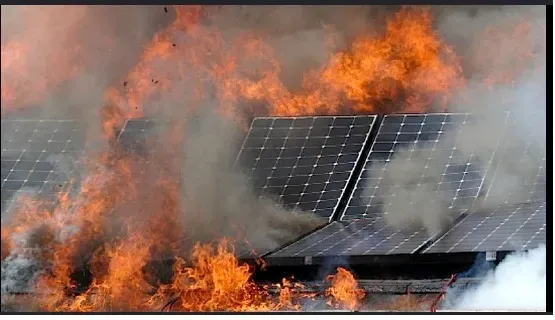
The Cheap Installation That Led to Fire Risk
A Lagos homeowner selected the lowest-priced installer after receiving several quotations. The installer promised fast delivery and significant savings compared to competitors.
Within months, the family began noticing unusual smells and occasional power interruptions. An independent inspection revealed improperly sized cables, inadequate circuit protection, and poor workmanship.
The homeowner was forced to pay for extensive corrective work to bring the installation up to acceptable safety standards.
Lesson Learned: The cheapest quote is rarely the cheapest system in the long run. Poor workmanship and substandard components have been linked to increased safety risks, including electrical faults and fire incidents in residential solar installations. (Real Estate in Nigeria)
Case Study 3:
The Roof That Was Too Old for Solar
Mrs. Johnson owned a 15-year-old home with an aging roof. Eager to reduce generator expenses, she installed solar panels without first evaluating the remaining life of the roof.
Three years later, roof deterioration required major repairs. The solar panels had to be removed and reinstalled before roofing work could begin.
The unexpected labor costs added hundreds of thousands of naira to the overall project cost.
Lesson Learned: Before installing solar, ensure your roof has enough remaining life to match the expected lifespan of the solar system. A professional roof assessment can prevent expensive future rework.
Case Study 4:
The Battery Replacement Surprise
A homeowner in Abuja invested heavily in a solar and battery backup system to achieve energy independence. The system performed well initially, providing reliable electricity during frequent grid outages.
However, several years later, battery performance declined significantly. Replacement costs were far higher than expected because the homeowner had never budgeted for future battery replacement.
Many homeowners focus on panel costs but overlook battery lifecycle expenses.
Lesson Learned: Batteries are consumable components. Include future replacement costs in your financial calculations before purchasing a battery-based system. Nigerian solar users frequently cite battery replacement and maintenance as major long-term ownership expenses. (Reddit)
Case Study 5:
The Undersized System That Could Not Meet Household Needs
A family in Port Harcourt purchased a small solar system based primarily on budget considerations rather than energy requirements.
The system could power lights, fans, and a television, but struggled when additional appliances were added. Frequent overloads led to frustration and additional upgrade expenses.
The family eventually spent more upgrading the system than they would have spent installing the properly sized system from the beginning.
Lesson Learned
Always conduct a detailed energy audit before purchasing solar equipment. Many Nigerian households purchase systems based on price alone and later discover that the system cannot support their actual electricity needs. Experts warn that under-sized systems often lead to poor performance and customer dissatisfaction. (TheCable)
The Bottom Line
These real-world Nigerian solar experiences reveal a common theme: the biggest solar mistakes often occur before the system is installed. Poor financing decisions, inadequate planning, substandard equipment, weak contracts, and unrealistic expectations can transform a promising investment into a costly lesson.
The most successful solar homeowners approach solar electricity as a long-term investment, not an impulse purchase. They verify every claim, compare multiple quotations, inspect their roof, evaluate their energy needs, and carefully review all financing and warranty documents before signing any agreement.