MC4 Solar Connectors

+234-806-034-4549

NEW Solar Panel

MC4 Connector ASSEMBLY

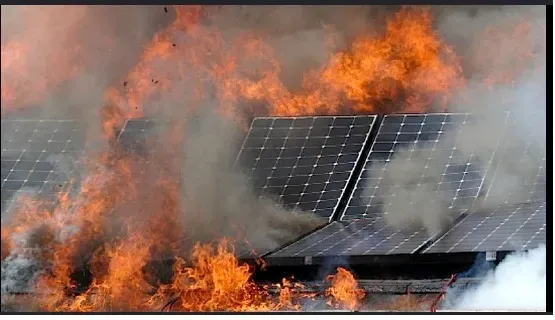
 is about removing all splice cables made by fake installers from solar panels to avoid fire eating up your house sooner or later.
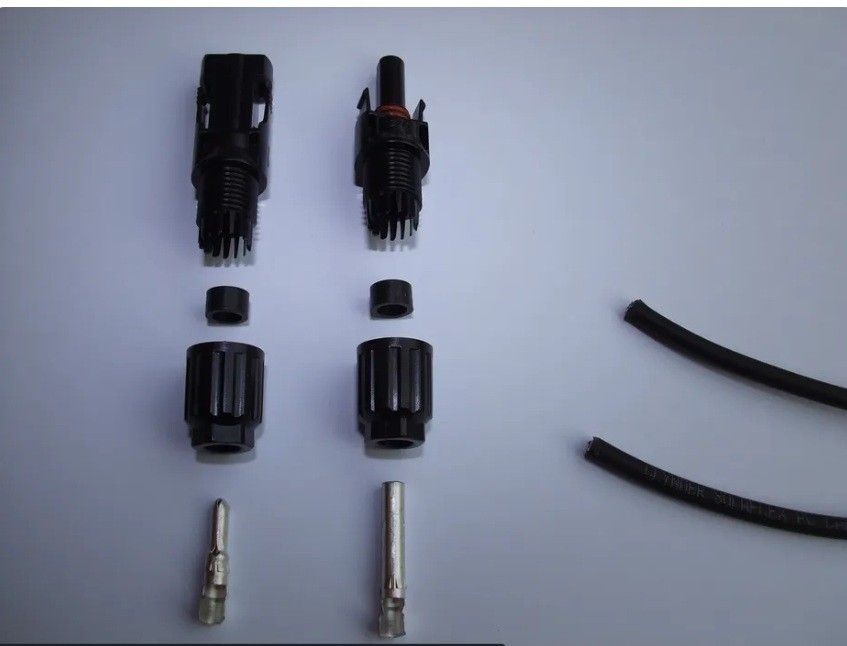
MC4 is the name of the connection type on all new solar panels, providing an IP67 waterproof and dust proof safe electrical connection. MC4 will not connect with older MC3 type connectors.


The MC4 connectors work best with 4mm and 6mm solar cable.

When you buy any new solar panel (usually over 30 Watts) it will be already fitted with two 500 - 900mm leads with MC4 connectors attached for you to get the power safely out of the solar panel.


Great, but how do you get the power from the panel on an outbuilding roof to your controller 20 Metres away ?

You can buy pre cut leads from 2 Metres to 10 Metres, We sell these, but a more efficient way is to buy the cable which you can cut to the exact length you need and then attach MC4 connectors.


We offer a custom cut length cable with MC4 connectors fitted service, if you do not feel confident enough to tackle this yourself.

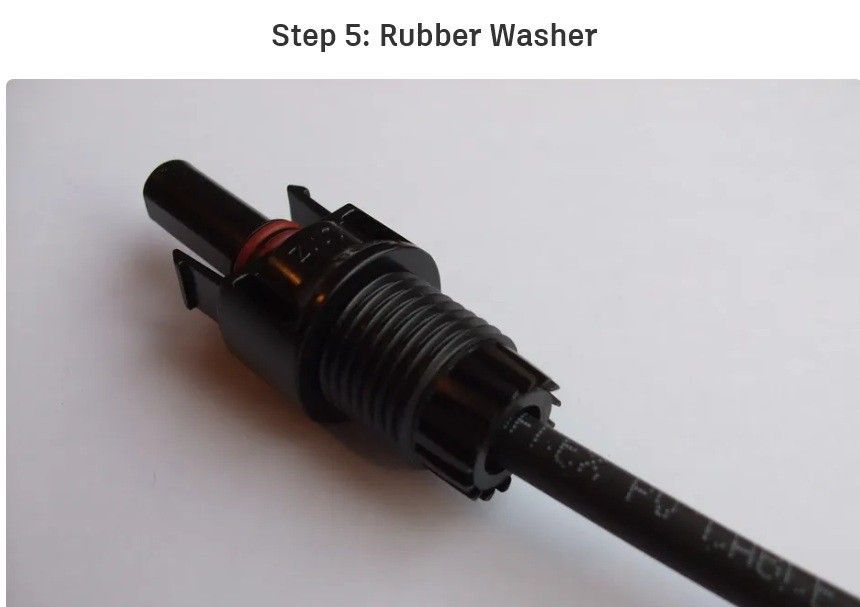
The picture above shows all the parts for the male and female connectors.


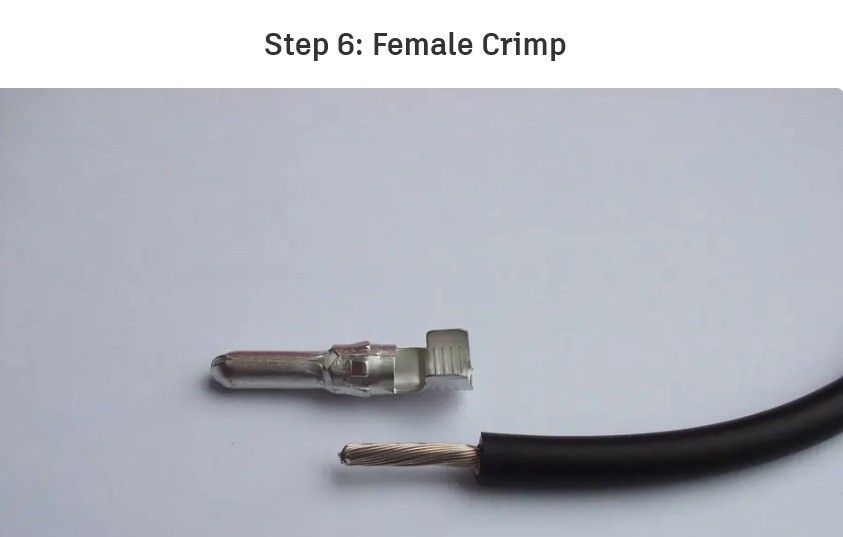
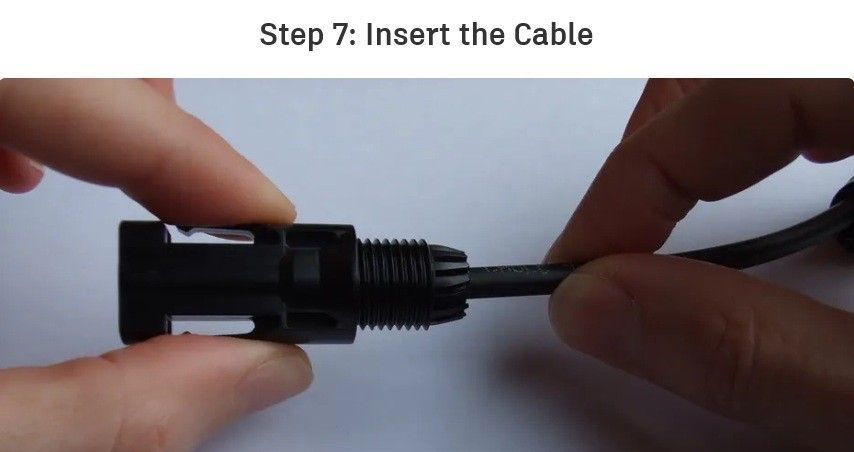
All you need is the cable, a male and female MC4 connector, wire strippers, some wire crimps and about 10 minutes of your time.
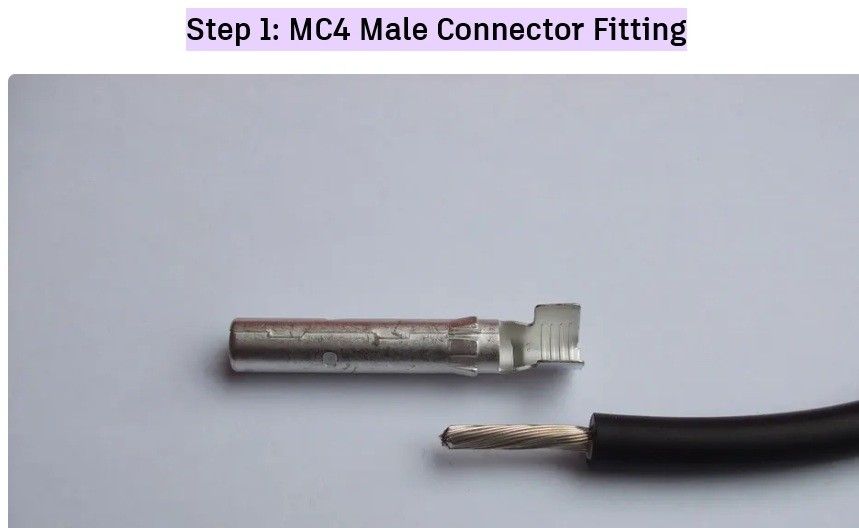
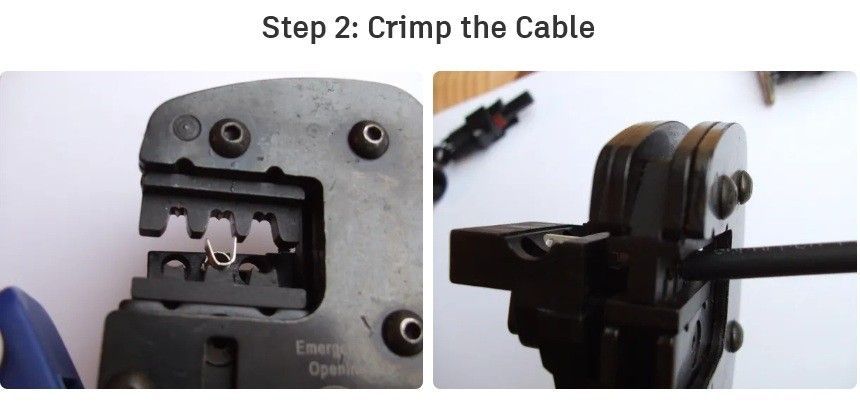
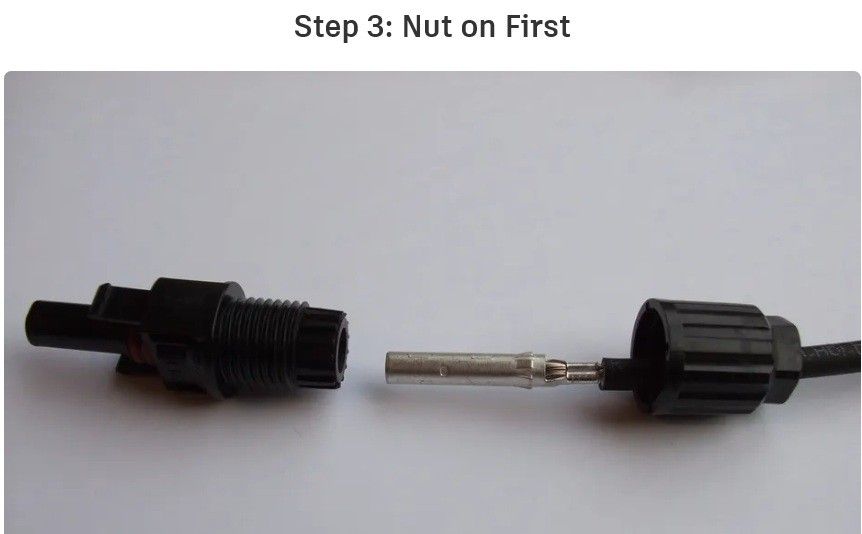
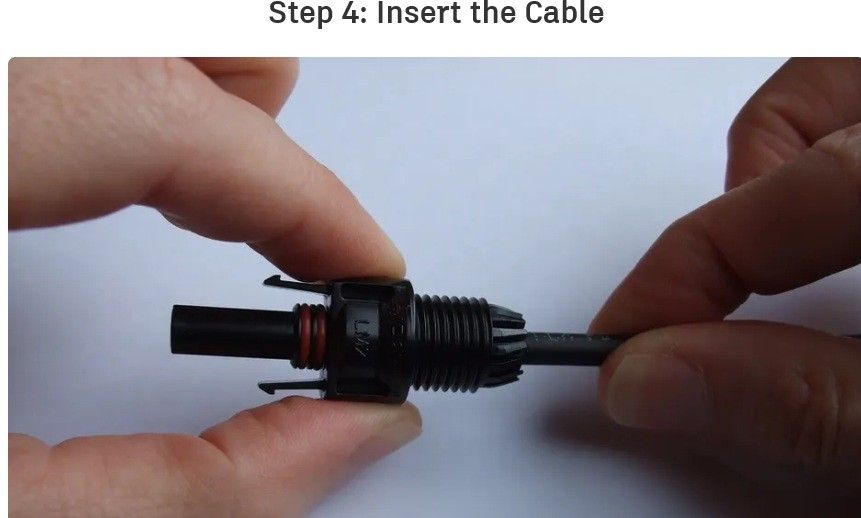
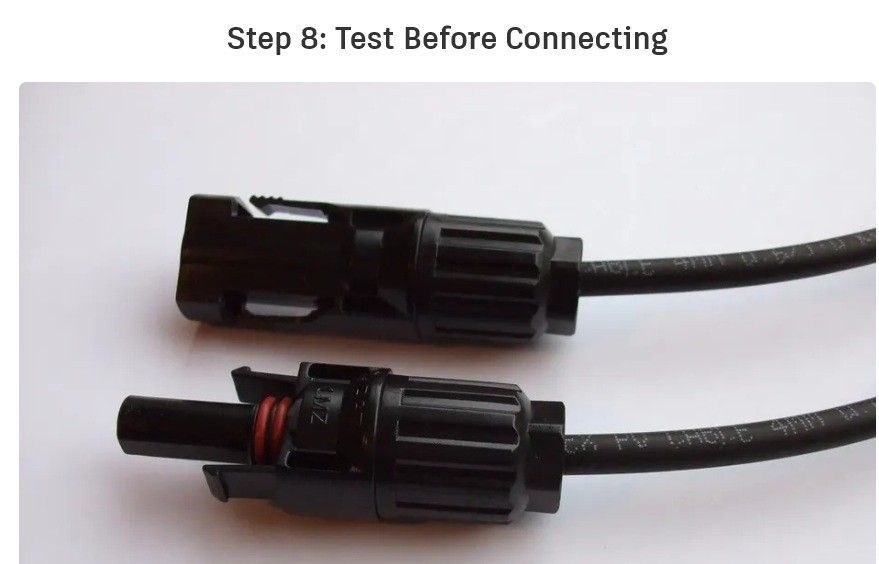
We would advise you to test the continuity of your cable with the new MC4 connectors on before connecting to your solar panels or charge controller.

This will confirm you have a good connection that will last for years.


Please remember never

disconnect the connectors when the sun is on your solar panels or they are connected to a battery, you may be injured by your free green electricity.

Stay safe and thank you for looking at our MC4 connection guide

By Peter Archibong May 18, 2026
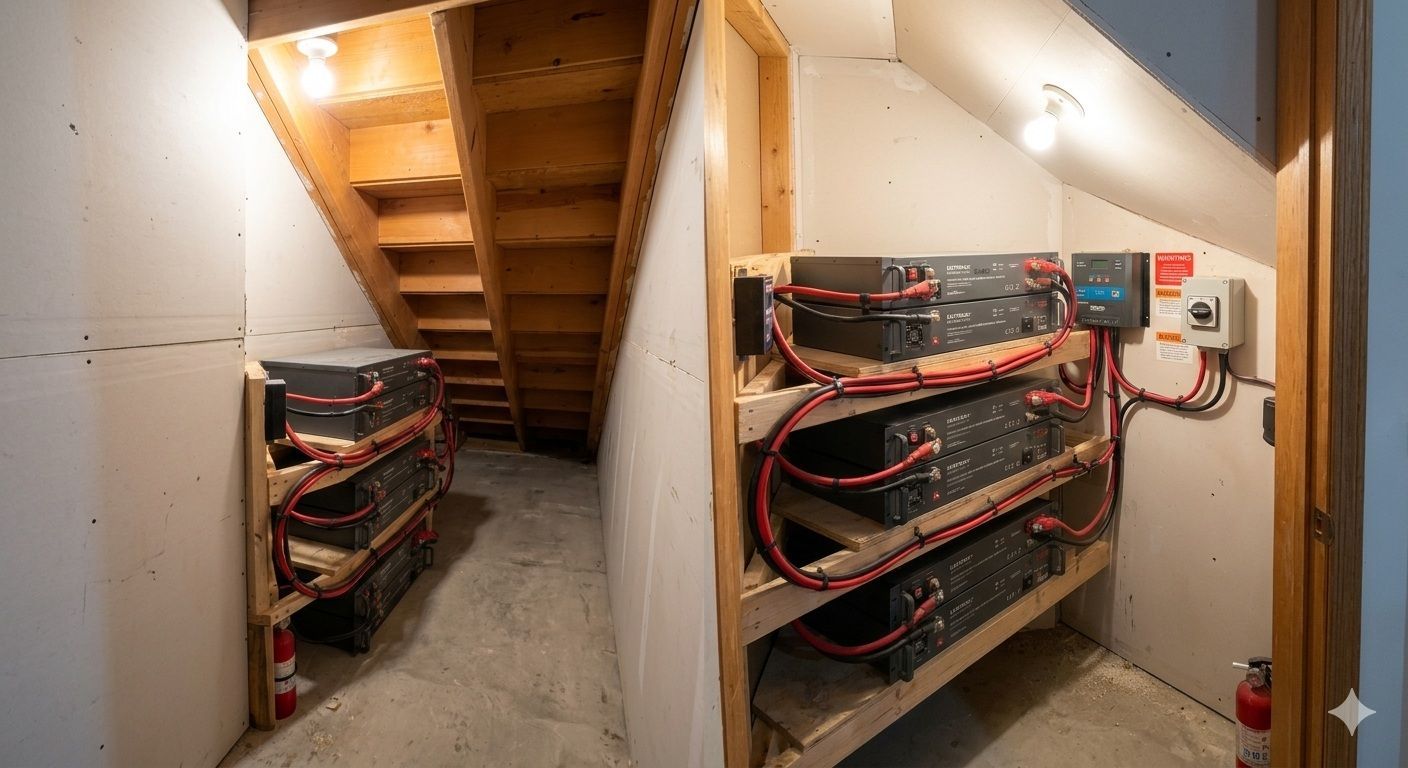
RISKY SOLAR BATTERY PLACEMENT
By Peter Archibong May 6, 2026
Verified Solar Inverter Guide for the Nigerian Market
By Peter Archibong April 30, 2026
Six (6) Q&A I failed to ask before I purchased my Solar System Common Solar Questions & Answers (1) How do I know what size system I actually need? Calculating your load is the first step toward avoiding the "start small and fail" trap. For a typical Nigerian home running fans, lights, a TV, and a fridge, you generally need at least a 2.4kVA inverter and 4 to 8 high-wattage panels . Don't guess—provide your installer with a list of every appliance you intend to use so they can size the system correctly from day one. [1, 2] (2) What is the difference between "premium" and "substandard" components? High-quality components, like monocrystalline panels , offer better efficiency in the Nigerian climate compared to cheaper alternatives. Genuine inverters and deep-cycle or LiFePO4 batteries are designed to handle heat and frequent cycling, whereas fake or substandard parts often fail within 6 to 12 months under the same load. [3, 4, 5, 6] (3) Will my solar panels work during a power outage or at night? Standard solar systems only provide power when the sun is shining unless you have battery storage . For 24/7 power, we recommend a hybrid system that combines solar, batteries, and the grid (or a generator backup). This ensures your home stays powered even during the rainy season or at midnight. [5, 7] (4) What kind of maintenance does a solar system require? Solar panels are relatively low-maintenance but not "zero-maintenance." In dusty regions, panels should be cleaned every 6 to 12 months with water and a soft brush to prevent performance drops of up to 25%. You should also have a professional check your electrical connections and inverter health every 3 to 5 years . [8, 9, 10, 11] (5) Why is a professional quotation so much higher than a "Nepa Line" shop price? A professional quote includes more than just panels; it covers safety devices like surge protectors, high-gauge copper cabling, and certified labor. "Cutting corners" by skipping these items can lead to fires or system failure, ultimately costing you double when you have to replace the entire setup. [12, 13] (6) How long should my solar investment last? A properly installed, high-quality system is a 20+ year investment. While batteries may need replacing every 5 to 10 years depending on the type, quality solar panels often come with 25-year performance warranties . [6, 14, 15]
By Peter Archibong April 28, 2026
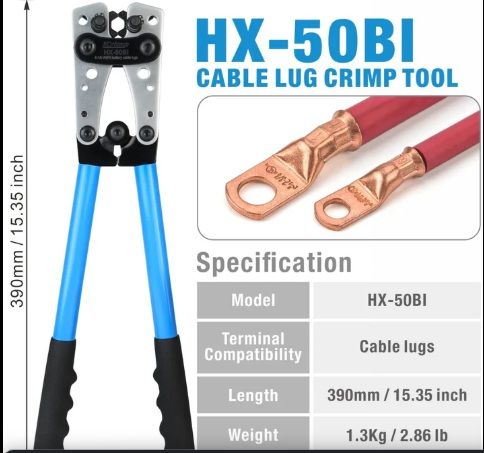
How to avoid battery fires by making sure battery lugs are solidly tight
Solar panel installers on a rooftop with tools, wearing safety vests and hard hats, one smiling at camera
By Peter Archibong April 25, 2026
Learn safe methods to share solar arrays for inverters & pumps. Get expert installation & energy audits today!
By Peter Archibong April 16, 2026
Estimated 5KWh Battery Runtime at night before shutdown 8-hrs light & fan 4-hrs Freezer & Light 2.7-hrs A/C & Light 2-hrs AC, Freezer & Light
Learn about SolarUyo.NG
₦2.5K financing disclosure, including processing
By Peter Archibong February 27, 2026
Learn about SolarUyo.NG ₦2.5K financing disclosure, including processing fees, loan terms, repayment structure, and customer eligibility for solar financing.
By Peter Archibong February 24, 2026
Stop Buying Fuel with Your Profit
Extraordinary silent generator alternative
By Peter Archibong February 7, 2026
Extraordinary silent generator alternative
By Tori Klein February 7, 2026
There are so many good reasons to communicate with site visitors. Tell them about sales and new products or update them with tips and information.