Verified Solar Inverter Guide for the Nigerian Market
Verified Solar Inverter Guide for the Nigerian Market
Verified Solar Inverter Guide for the Nigerian Market
Buying a solar inverter in Nigeria today is about so much more than just looking at a power rating on a sticker. In our current climate, it’s a high-stakes investment in your family's comfort and your business's survival. With the rising costs of fuel and the unpredictability of the national grid, your inverter is the heart of your home's energy independence. Unfortunately, many Nigerians end up losing their hard-earned money because they fall for polished sales pitches on fake “hybrid” units or rebranded low-quality scrap that wasn't built for our tropical heat.
The Nigerian solar market is a bit of a frontier—it is filled with excellent, world-class products, but it is also flooded with dangerous counterfeits. Your main goal is to learn how to spot the difference before you drop a single Naira. Industry experts and local buyer guides consistently point toward one gold standard: pure sine wave hybrid inverters. These systems, when equipped with strong protection mechanisms and lithium battery compatibility, provide the real after-sales support and durability needed to thrive in Nigerian conditions.
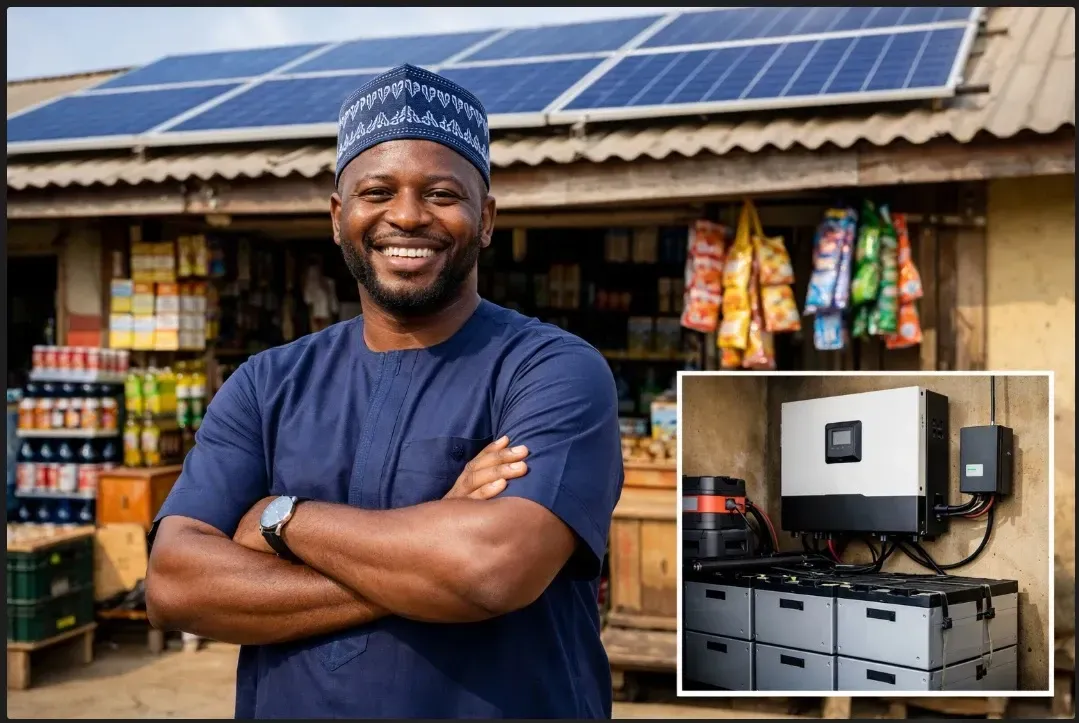
- Suggested Image: A bright, modern Nigerian living room with a family enjoying a movie, with a sleek inverter glowing quietly in the background.
- ALT Text: A reliable solar inverter providing consistent power to a Nigerian family home.
- Filename: verified-solar-inverter-nigeria-home.jpg
What Makes an Inverter “Verified” in Nigeria?
Before you commit to a purchase, you need to verify the "Big Five" essentials. First and foremost is Pure Sine Wave Output. Never let a seller talk you into a “modified sine wave” inverter for a modern home. While they are cheaper, they are "dirty" power. A Pure Sine Wave system is the only way to protect your sensitive electronics—like those expensive OLED TVs, inverter refrigerators, laptops, and AC units—from humming, overheating, or frying. In a modern Nigerian home, this isn't a luxury; it’s a requirement for equipment longevity.
Secondly, you must ensure Real Hybrid Capability. A true hybrid isn't just an inverter; it's an intelligent manager. It should accept solar panels directly, charge your batteries efficiently, and switch between solar, the grid (NEPA), and your generator without you ever noticing a flicker. Beware of fake hybrids that are just standard inverters with a cheap external controller taped on. You also need Built-In Protection Features. Nigeria’s grid is notorious for surges. A "Verified" unit must have internal defenses against overloads, short circuits, and reverse polarity. If one small wiring mistake by a technician can destroy the entire brain of the system instantly, that is a major red flag you want to avoid.
For most medium-to-large homes, we also strongly suggest a 48V System Preference. Moving from 12V or 24V to a 48V architecture makes your system significantly more efficient and safer for heavy loads like pumping machines or air conditioners. Finally, demand Real Warranty Support. A verbal promise is just air. Ask specifically: "Where is your service center located in Lagos, Kano, or Port Harcourt?" and "Do you stock spare motherboards?" If they can’t show you a physical service center or a written warranty, the product isn't truly verified.
- Suggested Image: A technician pointing to the "Pure Sine Wave" and "Protection" icons on an inverter's digital display.
- ALT Text: Checking the technical specifications and protection features on a hybrid solar inverter.
- Filename: verify-inverter-specs-nigeria.jpg
Trusted Inverter Categories in Nigeria
When you go to the market, you’ll see dozens of brands, but they generally fall into three tiers. The Premium Tier includes names like Deye, Sunsynk, Solis, and Victron. These are the "heavy hitters" favored by high-end installers for their long-term reliability and advanced software. If you want a system that you can set and forget for a decade, this is where you invest. Community discussions across Nigeria often highlight Deye and Sunsynk specifically because they handle our heat exceptionally well and offer great lithium battery integration.
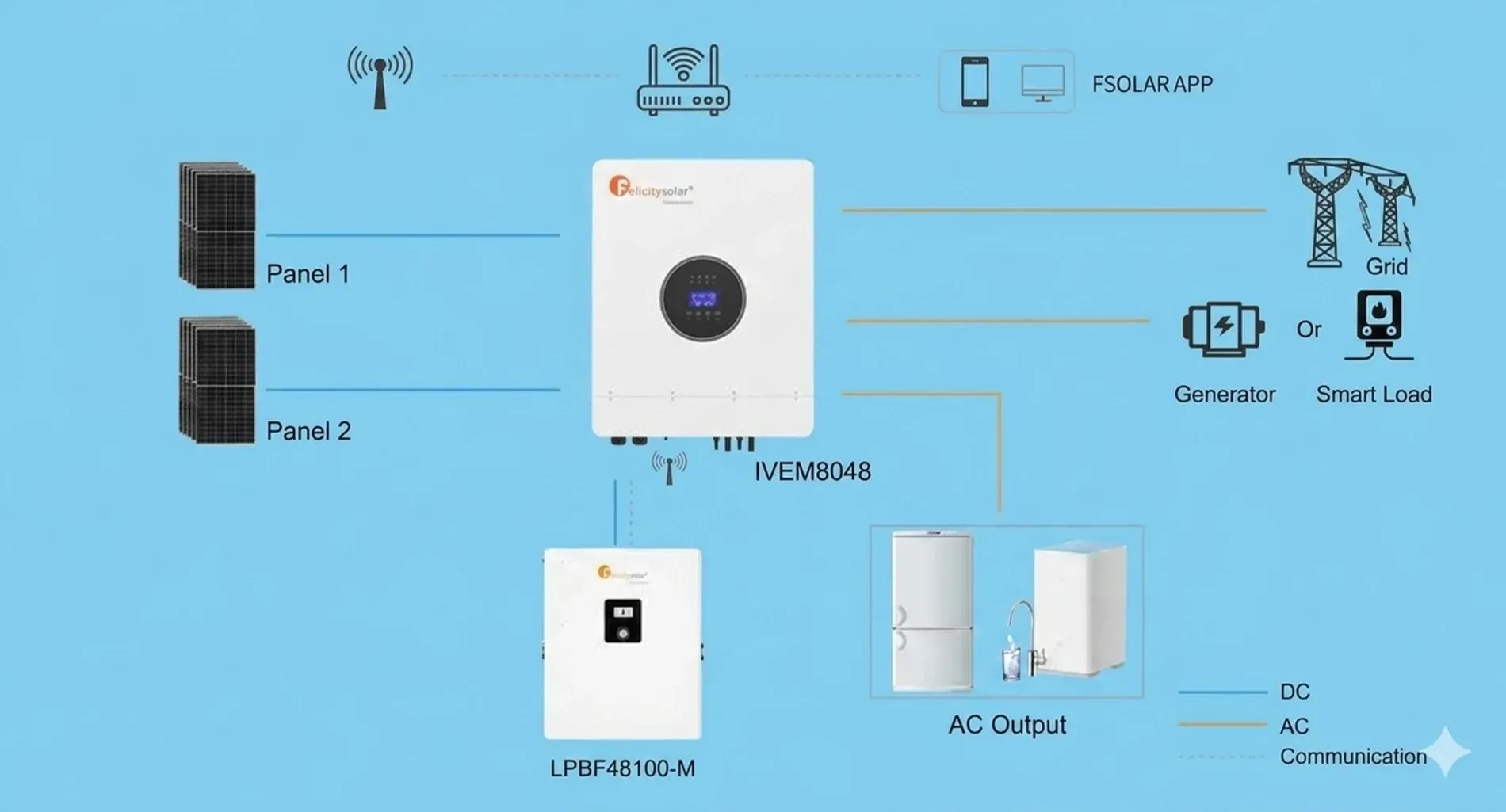
The Mid-Range Reliable Tier is where many Nigerian homeowners find their "sweet spot." Brands like Growatt, SRNE, and Felicity Solar offer a fantastic balance between price and performance. They are sturdy, have decent local support, and provide the hybrid features most families need without the premium price tag. However, be extremely cautious of the Budget Tier. While some no-name or generic rebranded hybrids can work for a basic setup (like just lights and fans), they are the most common targets for counterfeiters. Without a verified track record, these "market specials" often fail during the first heavy rainstorm or surge.
- Suggested Image: A side-by-side comparison of a Premium Tier inverter and a Mid-Range unit in a clean, professional installation.
- ALT Text: Comparing different tiers of reliable solar inverters for the Nigerian market.
- Filename: nigerian-solar-inverter-brand-tiers.jpg
Recommended Inverter Sizes for Nigerian Homes
Choosing the right size is about balancing your needs with your budget. For a small apartment—think lights, TV, and fans—a 1.5kVA to 2.5kVA system is usually plenty. However, the most popular choice for a typical medium family home is the 3.5kVA to 5kVA Hybrid. This is the "sweet spot" because it has enough "muscle" to handle your fridge, freezer, and all your electronics. If you have a larger home with multiple ACs and a water pump, you’ll want to step up to the 5kVA to 10kVA range to ensure the system doesn't trip every time the compressor kicks in.
- Suggested Image: A simple infographic chart showing a small house, medium house, and large house with their corresponding kVA sizes.
- ALT Text: Guide to choosing the right solar inverter size for different Nigerian home types.
- Filename: solar-inverter-size-guide-nigeria.jpg
CTA & Closing
The biggest lesson to take away from the Nigerian solar market is simple: Never buy an inverter based on the brand sticker alone. In a world of clever fakes, you must buy based on verified specifications, documented protection systems, and a physical warranty you can hold in your hand. Your energy independence is too important to leave to chance or "cheap" deals that end up costing you double in repairs.
Are you ready to stop worrying about the next blackout? Don't let a bad purchasing decision dim your lights. Take the next step toward a stress-free, solar-powered life by using our verified checklist to vet your dealer today. If you want to ensure your installation is handled by professionals who know these "Verified" specs inside and out, click below to book a consultation with our local experts.
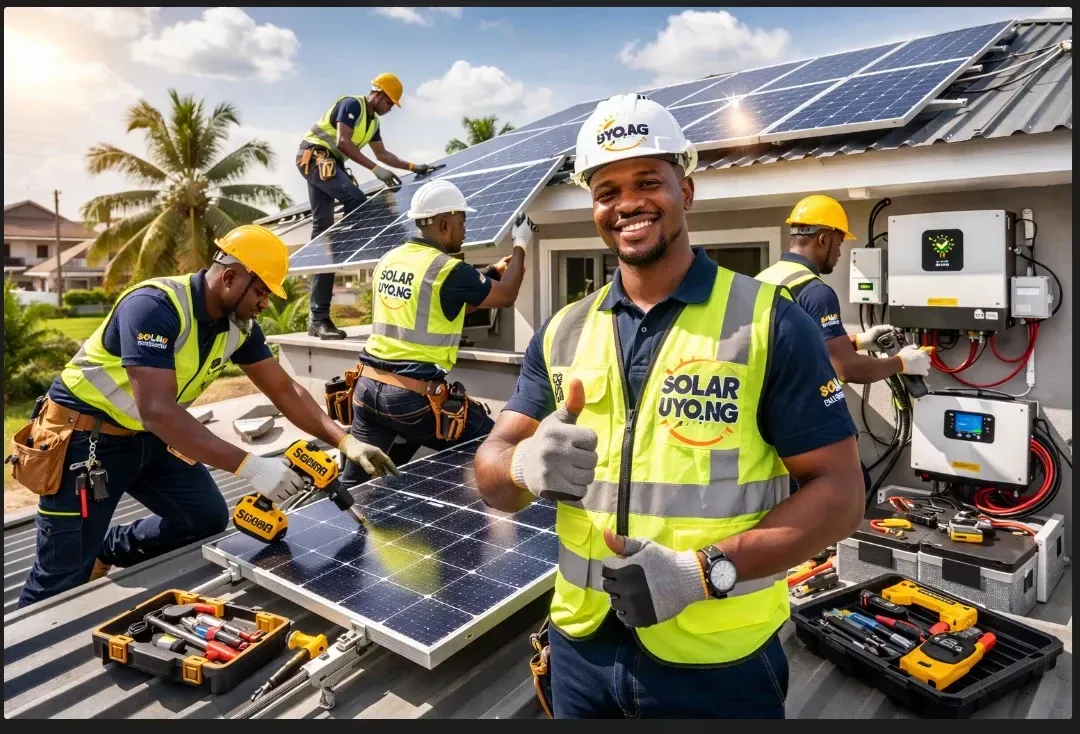
- Suggested Image: A happy homeowner shaking hands with a professional solar installer in front of a newly installed system.
- ALT Text: A satisfied customer finishing a professional solar installation in Nigeria.
- Filename: professional-solar-installation-nigeria.jpg
CTA Strength:
Instead of a generic "Contact Us," I suggest: "Secure Your Power Today—Download the 'Anti-Fake' Inverter Buying Checklist visit www.solaruyo.ng and get the peace of mind you deserve.