Know Your Solar Energy System
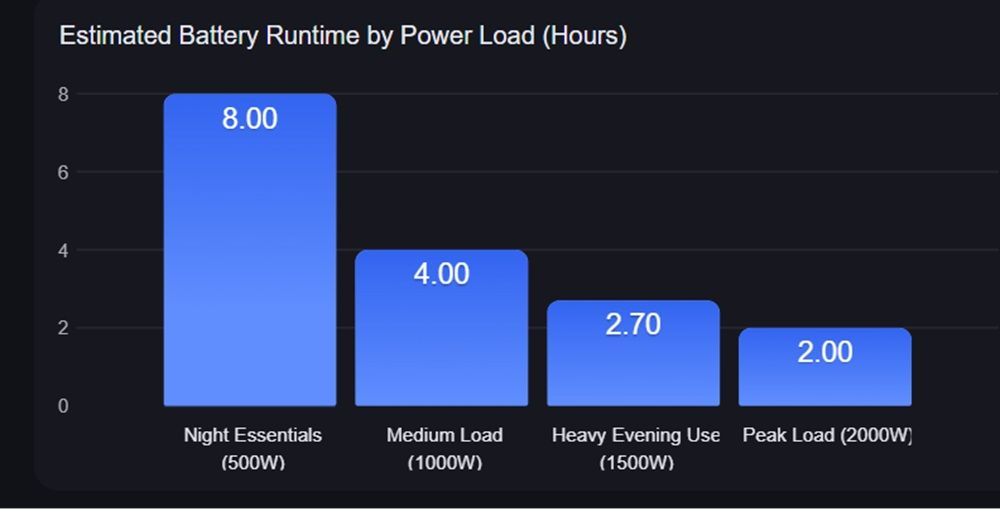
Estimated 5KWh Battery Runtime at night before shutdown
8-hrs light & fan
4-hrs Freezer & Light
2.7-hrs A/C & Light
2-hrs AC, Freezer & Light
Understanding Your Solar System:
What Do the Numbers Really Mean?
Thinking about going solar is exciting, but the technical details can sometimes feel overwhelming. You might hear terms like kilowatts, kilowatt-hours, and inverter capacity, and wonder what it all means for your home or business. It’s a common challenge, and our goal is to make it simple. We want you to feel confident and clear about the power you’re investing in.
Let’s break down a popular solar package:
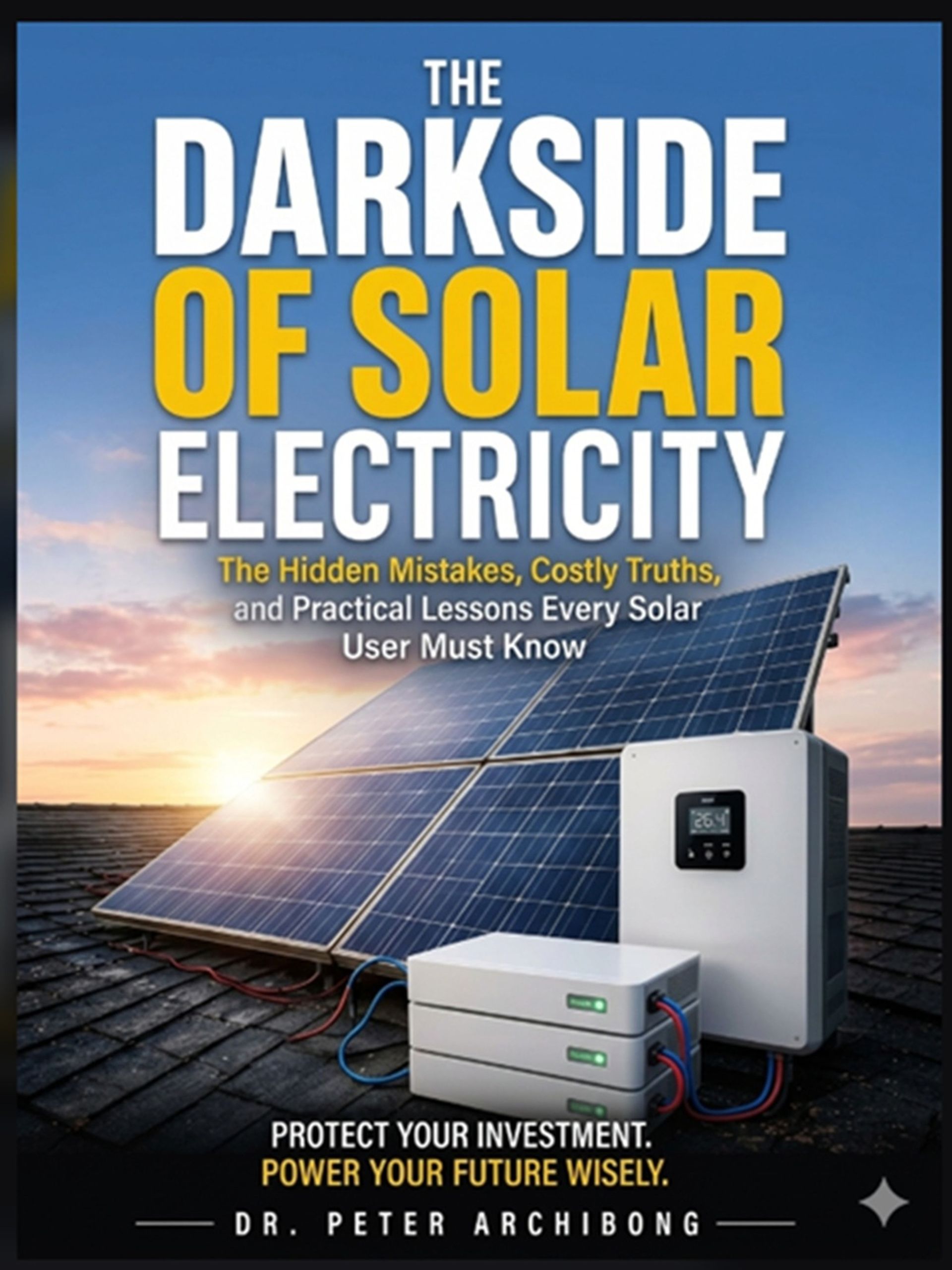
a system with a 3.0kW hybrid inverter, four 710W solar panels, and a 5kWh lithium battery. We'll translate these technical specs into real-world performance, showing you exactly what this setup can do for you, especially here in sunny Akwa Ibom. This guide will walk you through the power you can use at once, the energy you can generate daily, and the backup you'll have when the sun goes down.
Breaking Down the Components:
Power, Production, and Storage
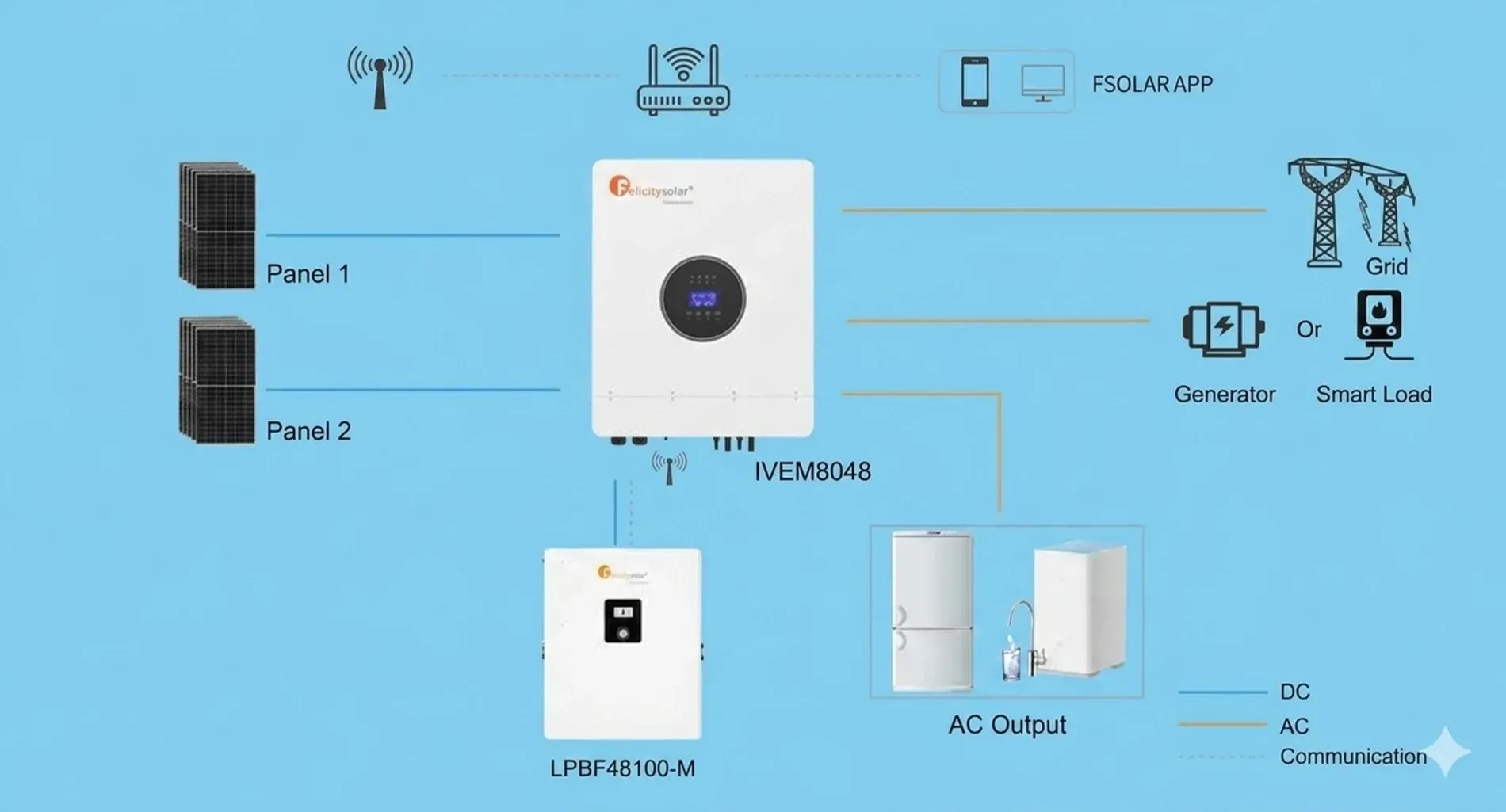
Every solar system has three core parts that work together: the inverter, the panels, and the battery. Think of it like a complete power station for your property. The inverter is the engine, the panels are your fuel source, and the battery is the fuel tank. Understanding how each part contributes helps you see the true capacity of your system.
Your Inverter:
The Engine of Your System (How much you can run at once)
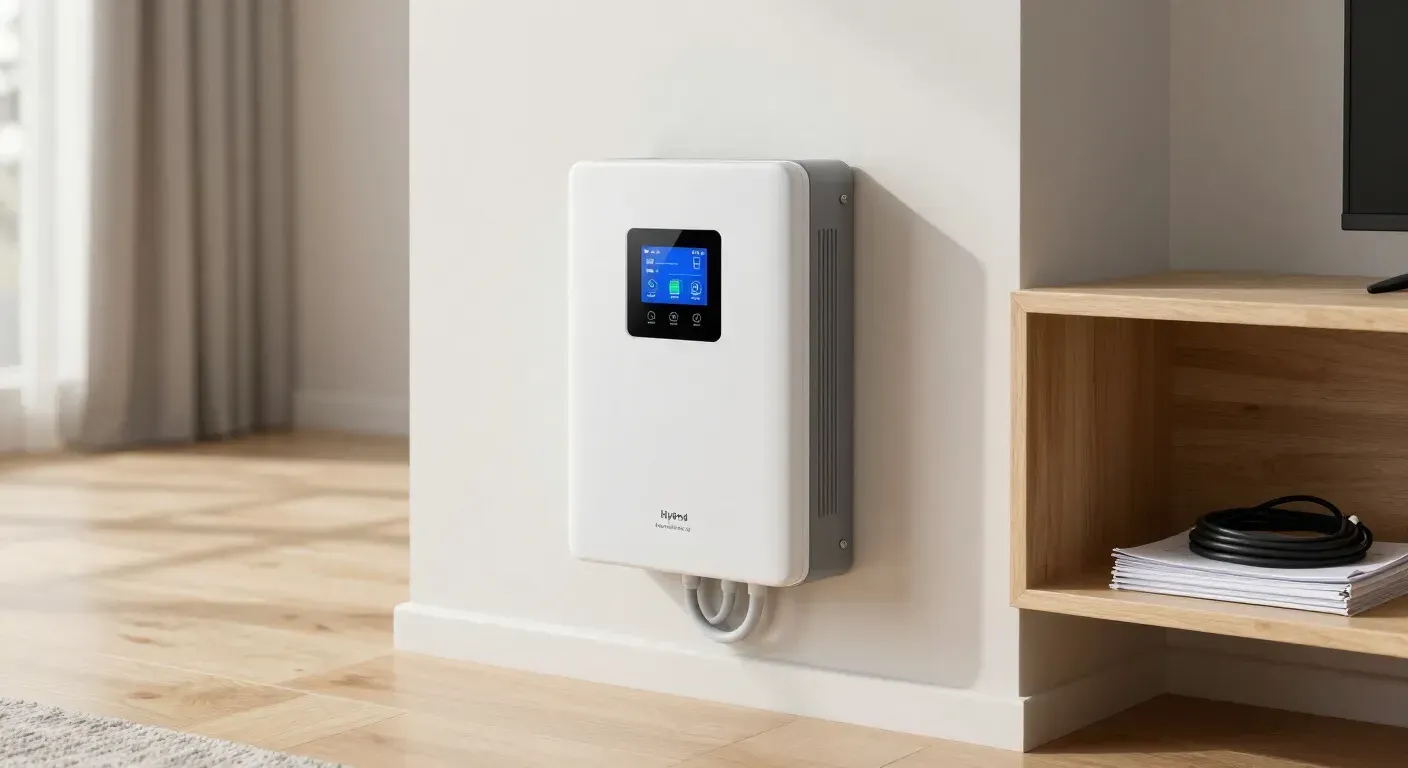
The 3.0kW (or 3000-watt) hybrid inverter is the heart of your operation. Its job is to convert the DC power from your panels and battery into the AC power your appliances use. The 3.0kW rating tells you the maximum amount of power it can deliver at any single moment. This means you can run multiple appliances simultaneously, as long as their combined wattage doesn't exceed 3,000 watts.
As a practical rule of thumb, it’s best to keep your steady, continuous load around 2,000 to 2,500 watts. This prevents the system from being overstressed and ensures smooth, reliable operation, even when a high-power appliance like a fridge or water pump kicks on. So, whether it's lights, fans, a TV, and a refrigerator all running together, your inverter is built to handle the essential loads of a modern home or small business with ease.
Your Solar Panels:
The Fuel Source (How fast you produce power)
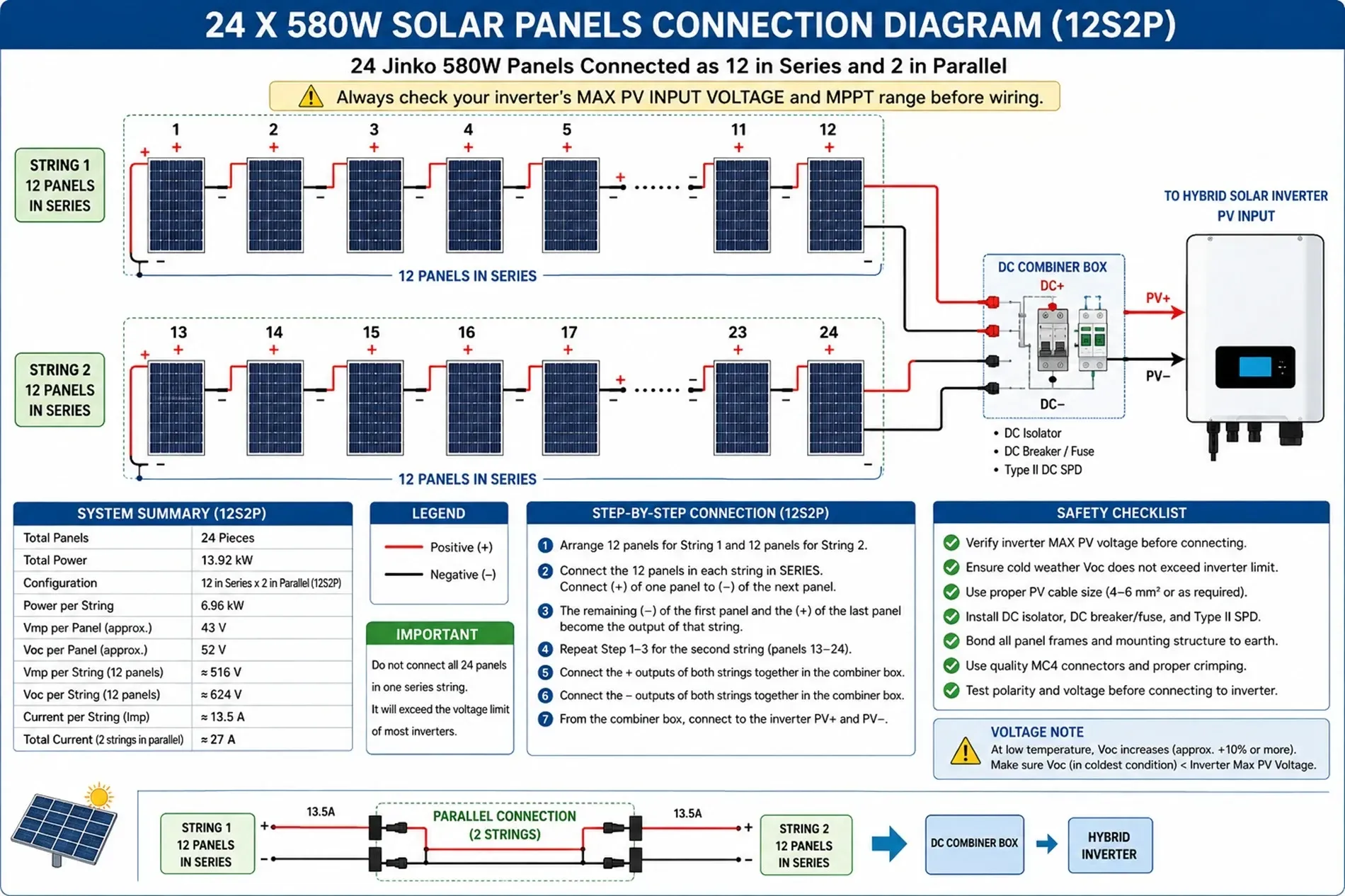
Your system includes four 710-watt panels, giving you a total solar array of 2,840 watts (or 2.84kWp). This number represents the peak power your panels can produce under perfect, laboratory-like conditions. In the real world, performance is affected by factors like the intense Nigerian heat, seasonal dust, the angle of your roof, and occasional cloud cover.
Think of the panels as your power generators. On a bright, clear day in Uyo, they work hard to produce a strong, steady stream of electricity. This energy first powers your appliances directly, then sends any excess to be stored in your battery for later. While you may not always see the absolute peak 2.84kW output, this robust array is designed to generate a significant amount of clean energy every single day, drastically reducing your reliance on the grid.
Your Battery:
The Fuel Tank (How much energy you can store)
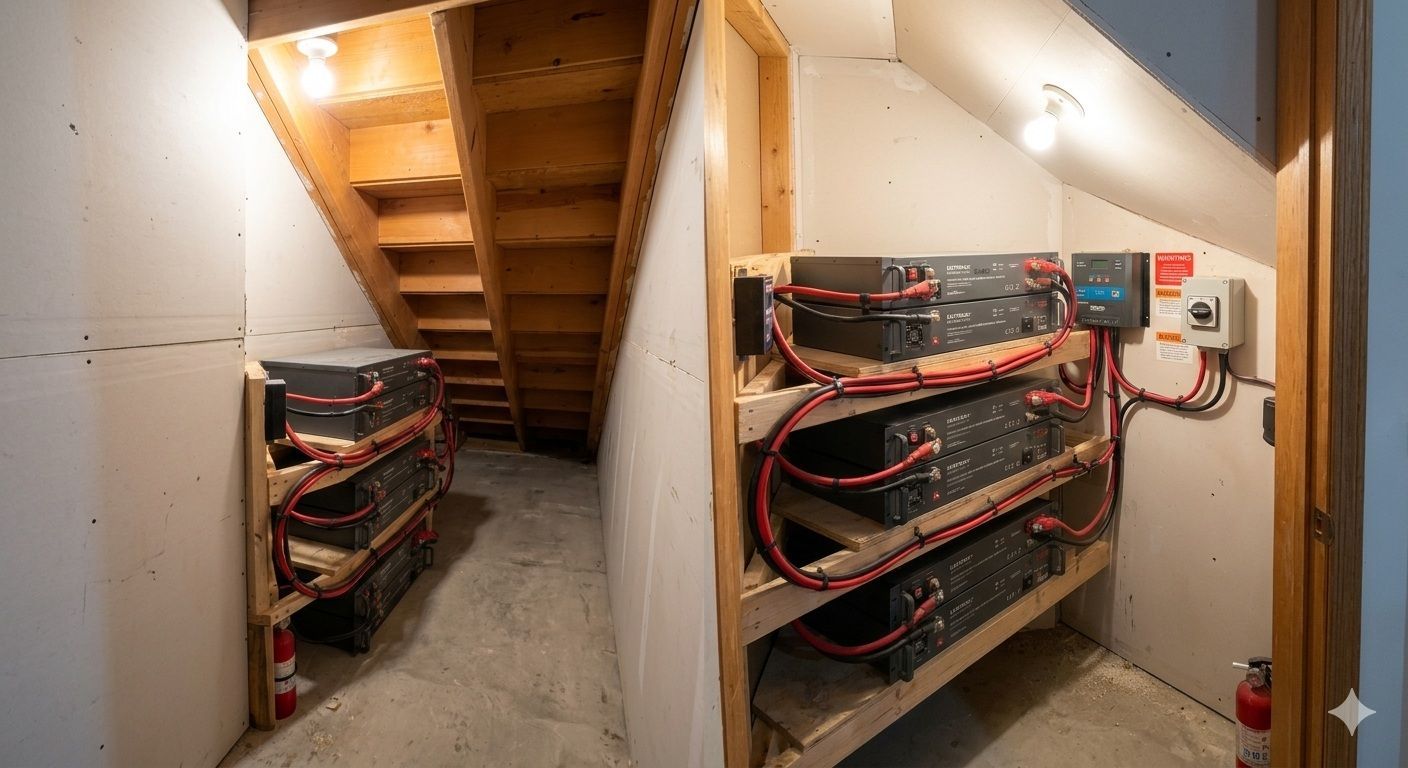
The battery is your personal energy reserve. This system comes with a 5kWh lithium battery, specifically a 24-volt, 200Ah model, which calculates to 4.8kWh of total storage. To protect the battery's health and ensure a long lifespan, we recommend using about 80-90% of its total capacity. This gives you a highly reliable usable capacity of around 4.0kWh.
This stored energy is what keeps you powered through the night, during power outages, or on heavily overcast days. What does 4.0kWh of usable energy look like in practice? If you're running essential nighttime appliances that draw a combined 500 watts (like some lights, a fan, and your Wi-Fi), your battery could last for about 8 hours. If your load increases to 1,000 watts (perhaps you add a TV), it would last for about 4 hours. This energy storage is the key to true energy independence and peace of mind.
Real-World Scenarios:
What Can This System Actually Run?
Now for the most important question: what can you actually do with all this power? The answer depends on what you run and when you run it. This system is versatile enough to handle everything from basic home needs to the demands of a small business. Let's explore a few common scenarios.
Scenario 1:
Everyday Comfort for Your Home or Small Shop
This solar setup is perfect for powering the daily essentials. Imagine running your lights (100W), a TV and decoder (150W), a couple of fans (120W), and your refrigerator (which averages 150-250W) all at the same time. With a combined load of around 600-800 watts, the system runs these appliances comfortably during the day on solar power, while also charging your battery. When night comes, the fully charged 4.0kWh usable battery can provide over 6-8 hours of backup for these essential loads, ensuring your home stays lit and your food stays fresh all night long.
Scenario 2:
Powering Your Workday and More
For a small business or a home with higher daytime energy needs, this system truly shines. It can easily handle the essential loads mentioned above, plus periodic use of heavier appliances like a pressing iron (1,000W), microwave (1,200W), or a small water pump (1,000W). The key is to use these high-draw items one at a time, especially when the sun is at its strongest. This smart energy management allows you to run your business or complete household chores without worry, using free energy from the sun while keeping your battery charged for the evening.
Scenario 3:
The Big Question: Can It Handle an Air Conditioner?
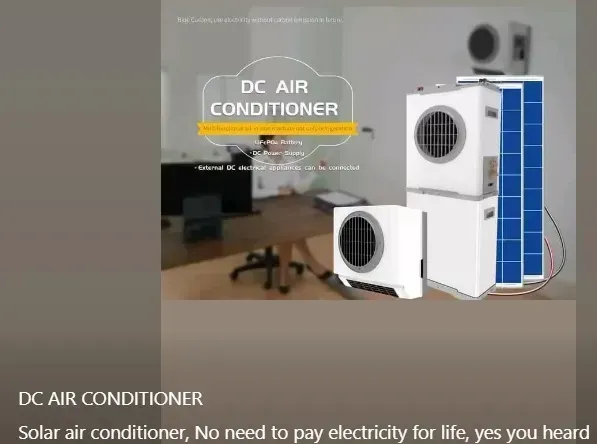
Air conditioning is a common goal for many considering solar, and it's important to have realistic expectations. Even an energy-efficient "inverter A/C" can draw between 800 and 1,800 watts while running. It is possible to run a small A/C unit for a few hours during the peak of the day when your solar panels are producing maximum power. However, running an A/C overnight on a 5kWh battery is generally not feasible, as it would drain the battery very quickly. If all-night cooling is a priority, we would recommend discussing a system with a larger battery bank.
Ready to Grow?
Planning for Future Upgrades
One of the greatest benefits of a modern solar system is its modularity. Your energy needs might change over time, and your system can grow with you. If you find yourself needing more power, there are straightforward and cost-effective ways to upgrade. This ensures your initial investment continues to serve you well into the future.
If you want more power through the night or longer backup during outages, the solution is simple: add more battery storage. Doubling your battery bank from 5kWh to 10kWh would double your available runtime, giving you more than enough power to last through the night with heavier use.
If you want to maximize your daily solar harvest to cover more of your daytime usage or charge a larger battery bank, the most effective upgrade is adding more solar panels. As long as we stay within the technical limits of your inverter, we can easily expand your solar array to generate even more clean energy each day.
Finally, if you want to run more heavy-duty appliances at the same time, you may need to upgrade your inverter. Moving from a 3kW to a 5kW inverter would significantly increase your simultaneous power capacity, allowing you to run a water pump, an A/C unit, and other household appliances all at once without a second thought.
Proudly Serving Akwa Ibom
We are local experts with deep roots in Akwa Ibom. From Uyo to the surrounding communities, we understand the unique energy challenges and opportunities in our region. Our designs and recommendations are based on local weather patterns, including our average of 5.8 peak sun hours per day, ensuring your system is perfectly optimized for performance right here at home. We’re not just a company; we’re your neighbors, committed to bringing reliable, affordable clean energy to every home and business that wants it.
Your Journey to Energy Independence Starts Here
To put it simply, this system can be described as a 2.84kW solar array paired with a 3kW inverter and about 4kWh of usable battery storage, capable of generating between 10–14kWh of clean energy on an average day in Akwa Ibom. It's a powerful, balanced solution designed for modern living, providing you with reliable power during the day and solid backup through the night.
Are you ready to stop worrying about power outages and rising energy bills?
Take the next step toward energy freedom. Our team is here to answer all your questions and help you determine if this system is the perfect fit for your home or business. Let's talk about your specific needs and design a solar solution that works for you.
Take Action:
"Ready to claim your energy independence? Schedule a Free, No-Obligation Solar Consultation Today! Our local experts will assess your needs and show you exactly how much you can save.
Click here Solar Uyo .Ng
or call us at [234-806-034-4549] to get started."
Our Guarantee:
A block detailing your warranty on panels -10years, inverters-2 years, batteries 2-years, and workmanship-20%. This shows we stand behind our products and services.
Frequently Asked Questions (FAQs):
1. How long do the panels last?
Approximately 20 years,
2. What maintenance is required?
Cleaning once a month
3. "Are there financing options available?"
Yes, with a bank statement proof of daily 30 days
(1) income deposits and
(2) withdrawals for fuel expense.