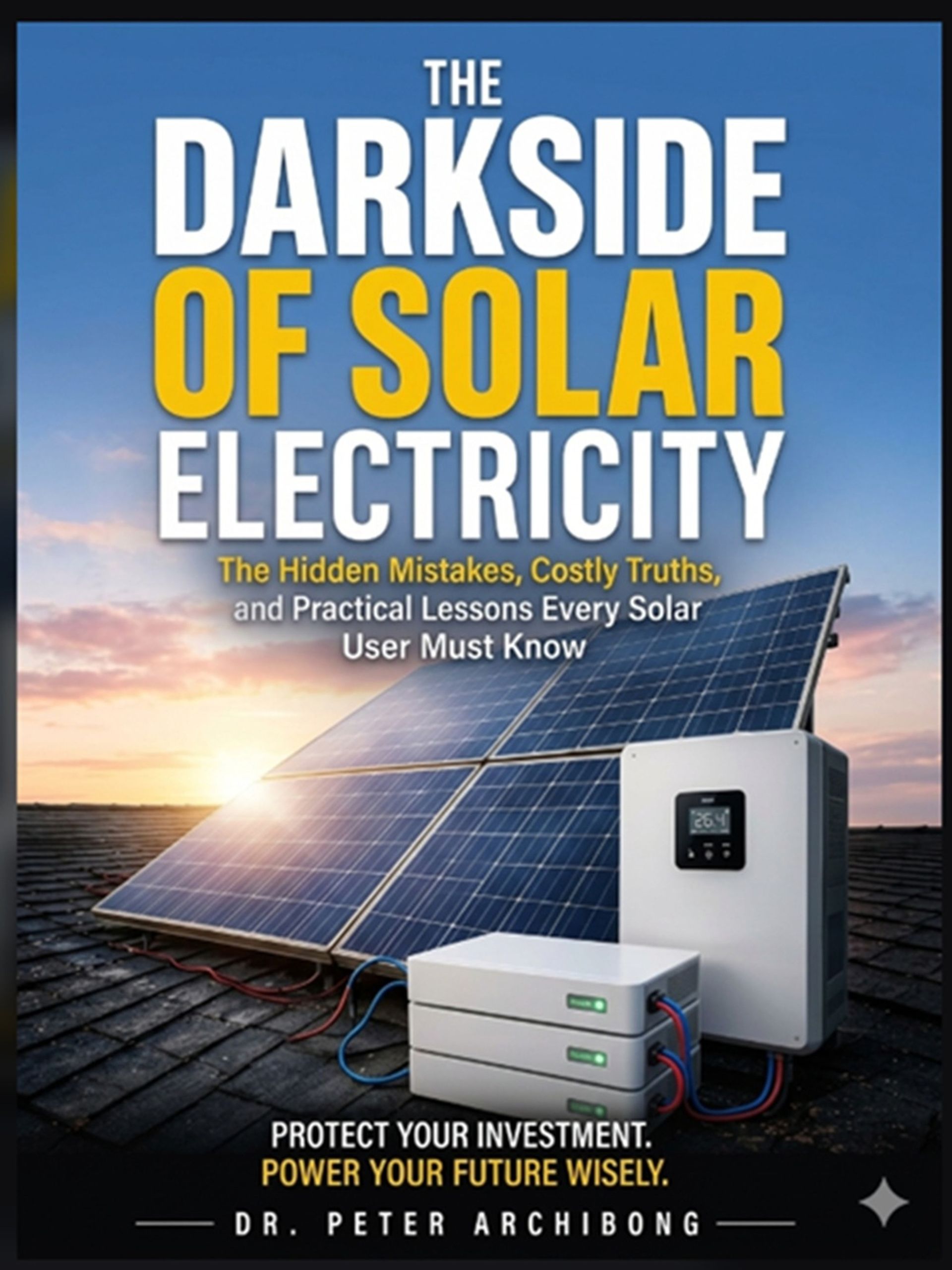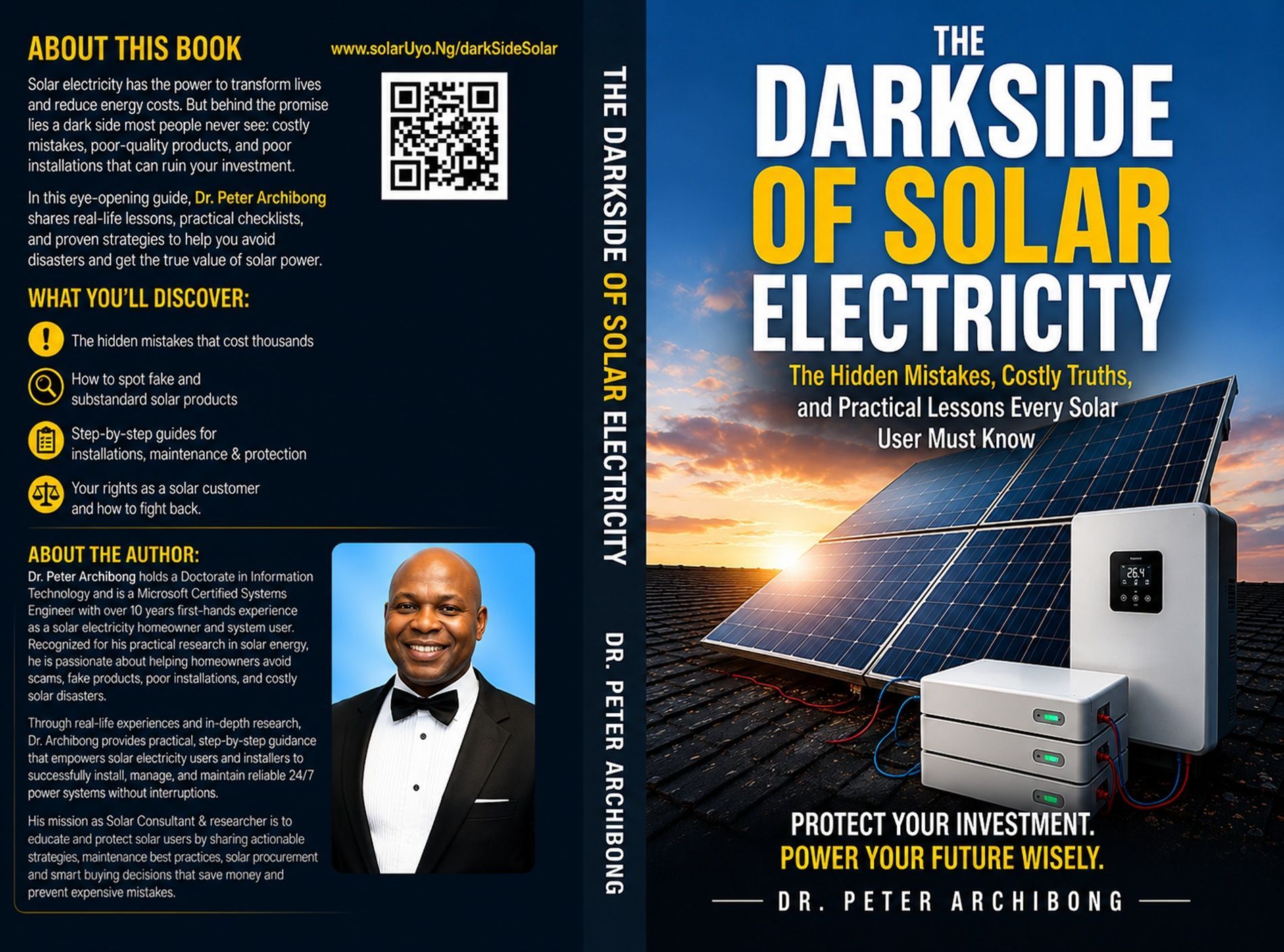
SOLAR ENERGY: The Financial Drain: Scams, Lies, and Hidden Costs
Solar Power in Nigeria: A Homeowner's Guide to Avoiding Disaster
Summary
For Nigerian homeowners seeking freedom from an unreliable national grid, solar power presents a compelling solution. However, the path to energy independence is fraught with peril, including financial scams, severe underperformance of systems, and significant physical dangers like house fires. These disasters are largely driven by a market flooded with substandard products, a prevalence of unqualified installers, and gaps in regulatory enforcement.
Common Solar Disasters:
Homeowners frequently face disasters ranging from outright financial scams, where installers disappear with funds, to performance issues stemming from counterfeit panels and batteries that fail prematurely. The most severe risk involves physical damage, including house fires caused by faulty components and improper installation techniques.
Root Causes of Failure:
The primary issues are a massive influx of substandard and fake solar components into the West African market, a lack of formally trained and certified installers leading to dangerous shortcuts, and insufficient enforcement of existing quality standards by regulatory bodies.
Solutions and Prevention for Homeowners:
The key to avoiding a solar disaster lies in diligent "caveat emptor" (let the buyer beware) practices. This includes thoroughly vetting installers for certifications, learning to identify potential counterfeit products, insisting on detailed contracts and warranties, and understanding basic system maintenance, especially during the challenging Harmattan season.
The Solar "Dream" vs. The Nigerian Reality:
Common Disasters The promise of uninterrupted, clean energy is a powerful motivator for Nigerians. Unfortunately, the journey is often plagued by costly and dangerous setbacks. These disasters can be categorized into three main types: financial, performance-related, and physical damage. Financial Disasters:
The High Cost of a Bad Investment Outright Scams and Fraud:
A prevalent issue is fraudulent installers who demand upfront payment and then either disappear or deliver a fraction of the agreed-upon materials. Social media groups contain numerous warnings from homeowners who have lost hundreds of thousands of naira to individuals posing as solar professionals. One user detailed sending 125,000 NGN for panels and an inverter that were never delivered, with the "installer" eventually becoming unreachable after a series of excuses. Overpriced, Underperforming Systems: Many homeowners are sold expensive systems that are improperly sized for their energy needs. They pay a premium for a system that cannot power essential appliances like refrigerators or air conditioners, forcing them to continue relying on costly diesel generators. This negates the primary financial benefit of going solar.
The Hidden Cost of "Cheap" Components:
The market is saturated with low-quality, counterfeit components, especially batteries and inverters. A suspiciously low quote often involves refurbished or fake batteries that may be deceptively weighted with sand or glass and fail within months instead of years. This leads to repeated, expensive replacement costs that were not factored into the initial budget. Performance-Related Disasters:
When Sunshine Doesn't Deliver Chronic Underperformance:
A frequent complaint from homeowners is that their system generates significantly less power than promised. This is a direct consequence of substandard components. The Nigerian Energy Support Programme (NESP) has reported that as much as 40% of solar components in the Nigerian market do not meet international standards, leading to rapid degradation and reduced efficiency. Premature System Failure: It is common for critical components like inverters or charge controllers to fail within the first year of operation, leaving the homeowner with a non-functional system and a difficult, often fruitless, battle to claim a warranty from the installer.
The Harmattan Effect:
This is a persistent and significant disaster unique to West Africa. During the Harmattan season, a thick layer of dust settles on everything, including solar panels. This coating can block sunlight and reduce a system's energy production by up to 50%. If panels are not cleaned regularly, this leads to chronically undercharged batteries, which can cause permanent damage (sulphation) and drastically shorten their lifespan. Many homeowners mistake this performance drop for a system failure, unaware that the solution is simple maintenance.
Physical Damage & Safety Disasters:
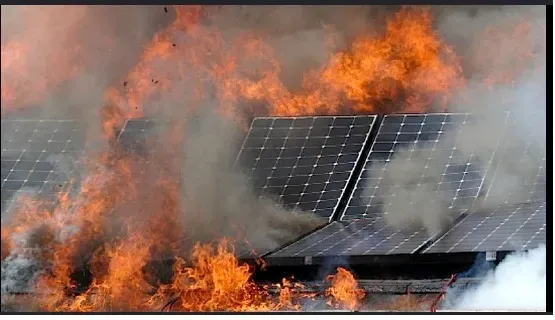
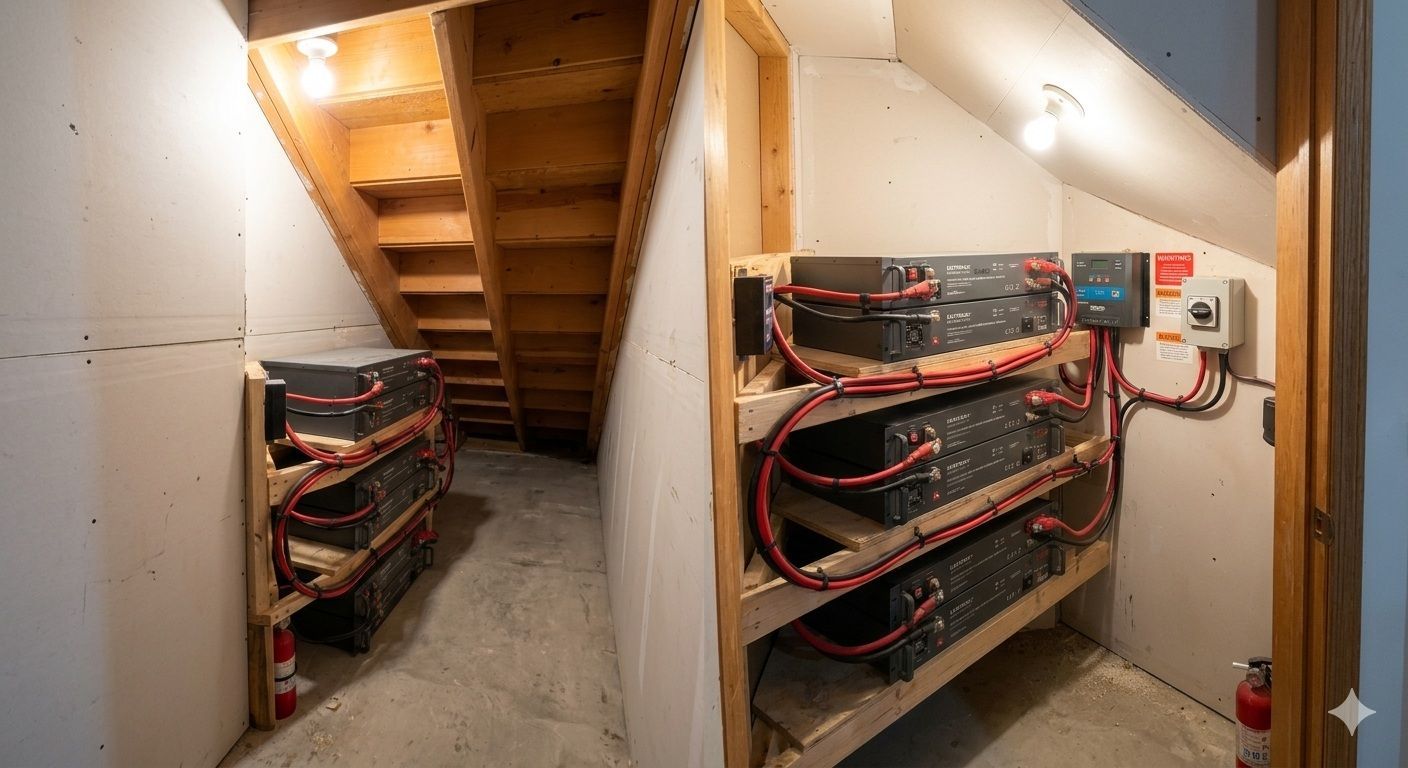
The Ultimate Risk The most terrifying solar disaster is a physical one that threatens property and lives. While solar technology is inherently safe when installed correctly, the prevalence of poor workmanship in Nigeria makes physical damage a real risk. House Fires and Explosions: This is the worst-case scenario. The National Board for Technical Education (NBTE) has issued warnings about the growing fire risk from unprofessional solar installations
Make a list
Lists are great ways to stay on track. Write down some big things you want to accomplish and some smaller things, too. (1) Clean panels monthly ()
Check the list regularly
Don’t forget to check in and see how you’re doing. Just because you don’t achieve the big goals right away doesn’t mean you’re not making progress.
Reward yourself
When you succeed in achieving a goal, be it a big one or a small one, make sure to pat yourself on the back.
Think positively
Positive thinking is a major factor in success. So instead of mulling over things that didn’t go quite right, remind yourself of things that did.